
No products in the cart.
Language: English & Swahili
Currency: Shilling
People: Multicultural
Timezone: GMT+3:30
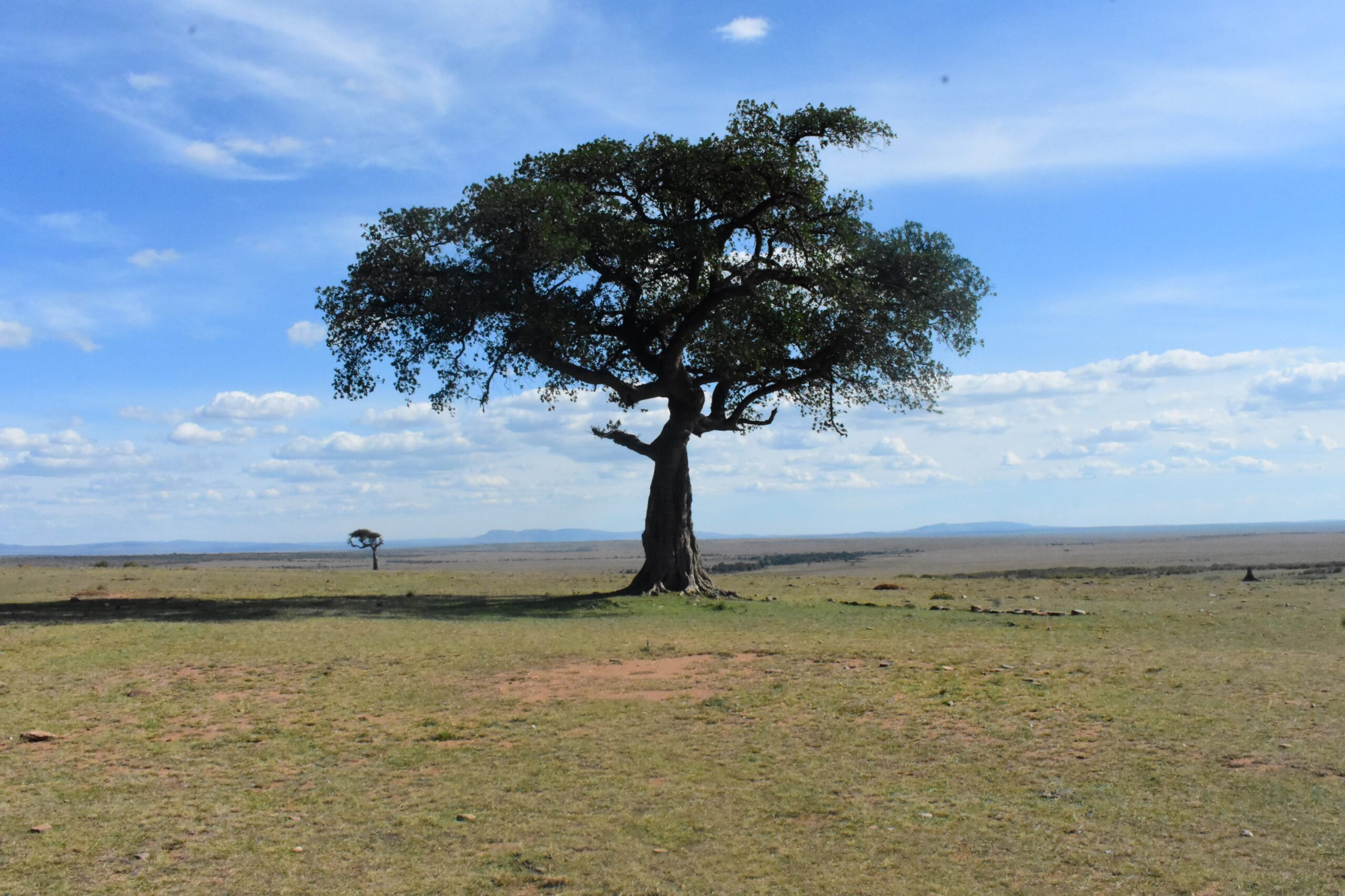
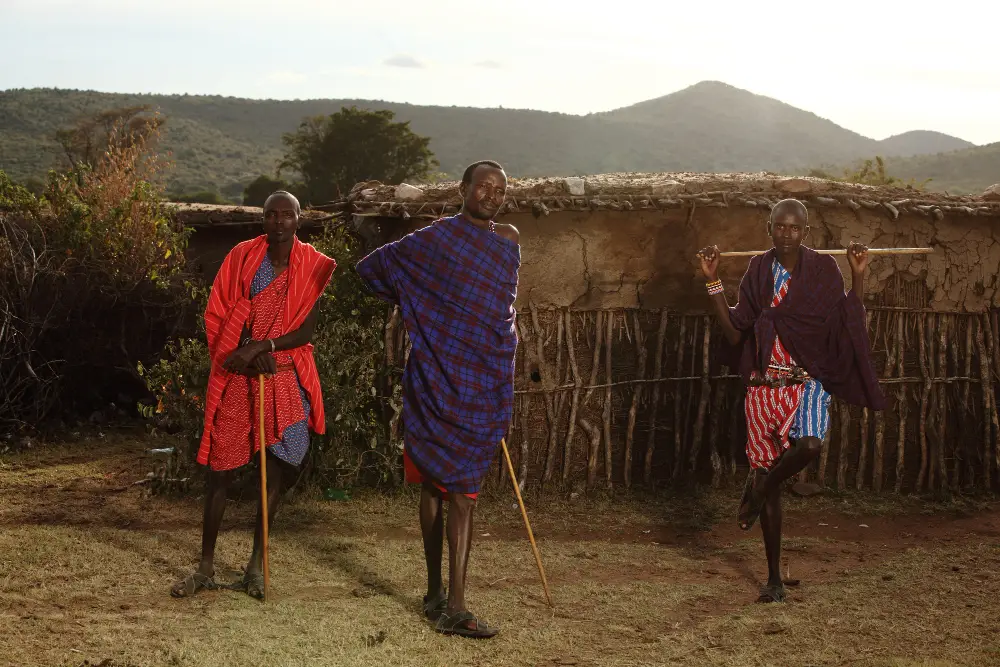
The Masai Mara takes its name from the Maasai people who have lived in the region for generations. In Maa, the word Mara is commonly associated with the appearance of the landscape, where trees, shrubs and shadows create a spotted pattern across the open grasslands.
The reserve forms part of the much larger Mara–Serengeti ecosystem, an interconnected wilderness stretching across the Kenya–Tanzania border. Wildlife moves through this ecosystem according to rainfall, grazing conditions, water availability and seasonal patterns rather than political boundaries.
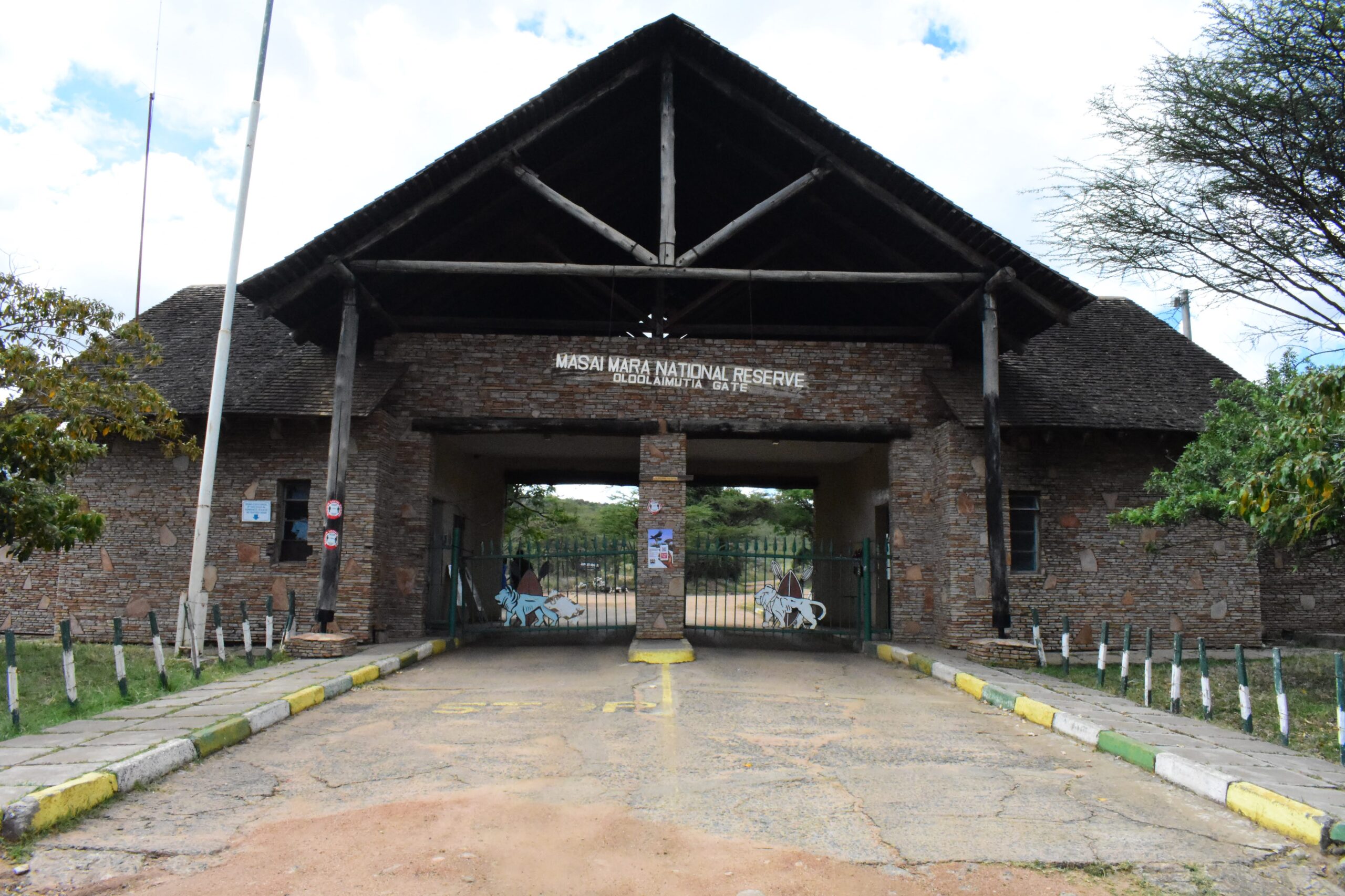
The Masai Mara National Reserve covers approximately 1,510 square kilometres, but the safari experience extends well beyond the reserve itself. Surrounding community conservancies provide additional wildlife habitat while supporting conservation initiatives and local Maasai communities.
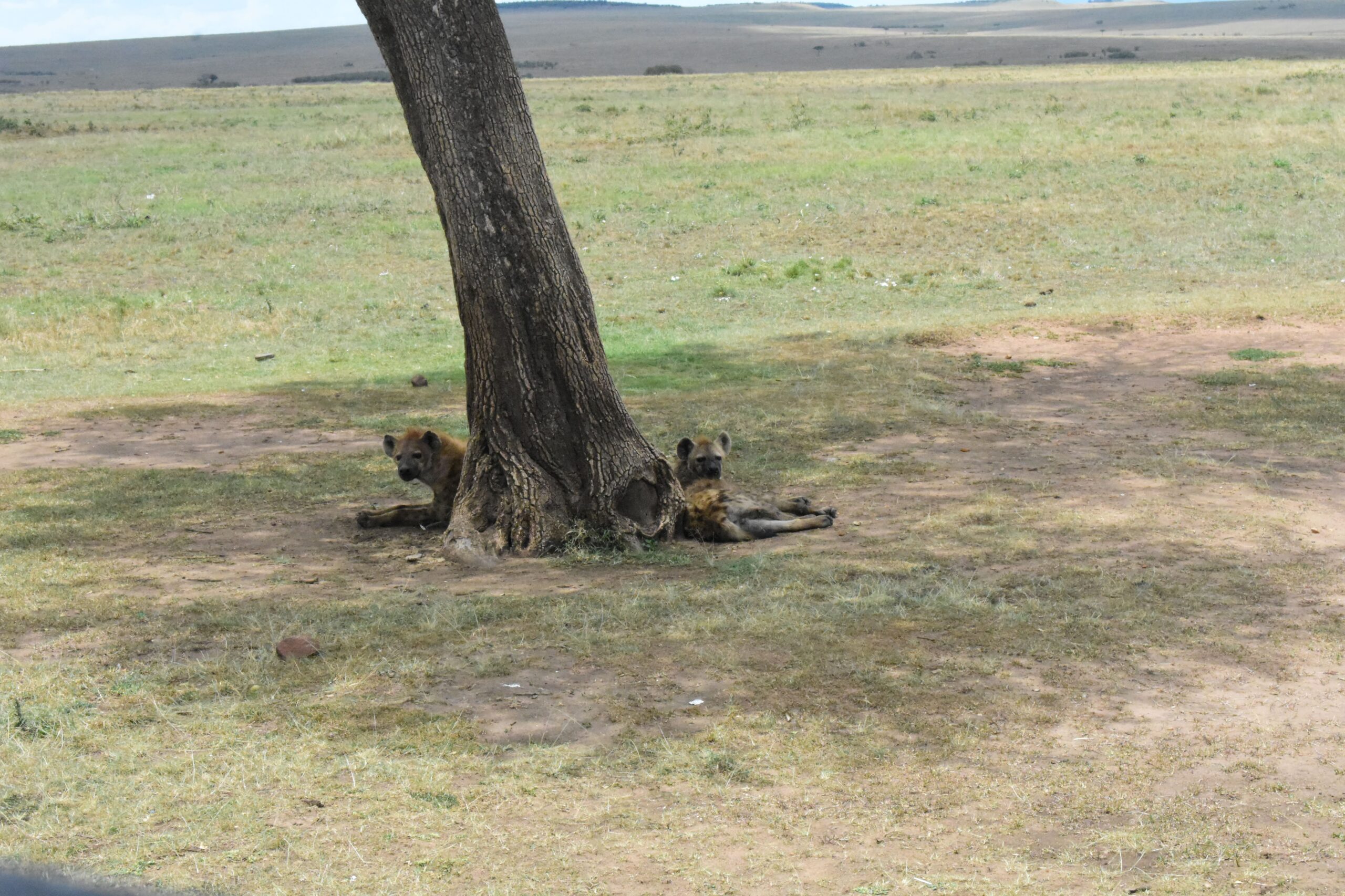
Today, the Mara remains one of the most important wildlife areas in East Africa. Its open plains support large populations of herbivores and predators, making it particularly renowned for sightings of lions, cheetahs, leopards and hyenas.
For visitors, however, the Mara is about more than checking animals off a list. Early morning light over the savannah, the sound of wildlife outside a tented camp, conversations around a campfire and unexpected encounters on a game drive often become the moments people remember most.
Game drives are at the heart of a Masai Mara safari. Explore the savannah in a safari vehicle with an experienced guide while searching for lions, elephants, cheetahs, giraffes, buffaloes, leopards, and other wildlife.
Depending on your itinerary, game drives can be arranged in the morning, afternoon, or as extended full-day excursions. Private safaris give you greater flexibility to spend more time at sightings and adapt the day around your interests.
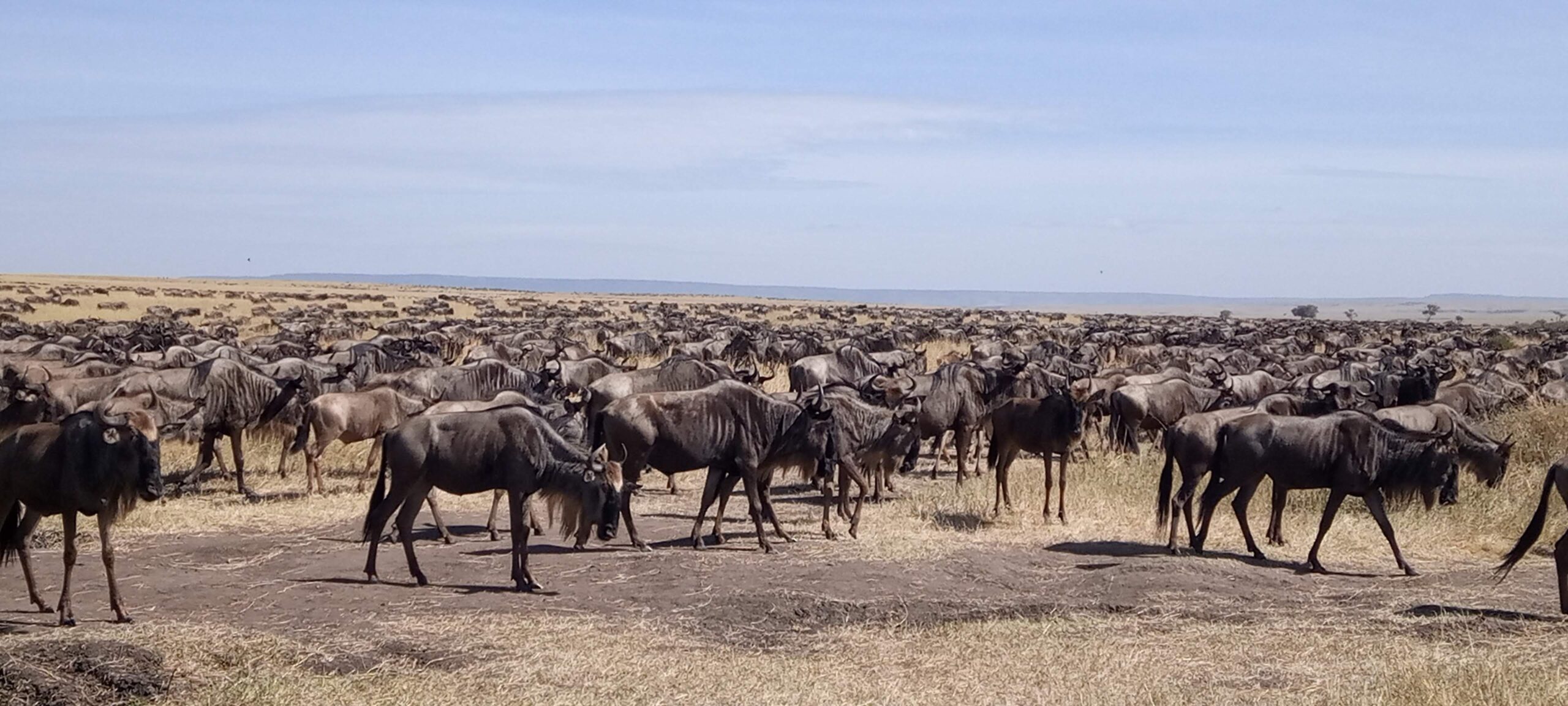
The Great Migration is one of the world’s most remarkable wildlife spectacles. During the migration season, enormous herds of wildebeest, zebra, and other grazers move through the greater Mara–Serengeti ecosystem.
The Mara River crossings are particularly famous, but they are unpredictable natural events. No safari operator can guarantee a crossing on a particular day.
For migration-focused safaris, we recommend allowing enough time in the Mara rather than planning a very short stay around a single expected crossing.
See the Masai Mara from an entirely different perspective on an early-morning hot air balloon safari.
Flights typically take place around sunrise, offering panoramic views of the plains, rivers, and wildlife below. You can add balloon safaris to many Masai Mara itineraries, and they’re especially popular for honeymoons, anniversaries, and special-occasion trips.
Advance booking is recommended during peak safari periods.
A thoughtfully arranged cultural visit offers an opportunity to learn more about Maasai traditions, family life, livestock, ceremonies, crafts and the changing relationship between communities, tourism and wildlife conservation.
Bagaria Tours can incorporate community and cultural experiences into a Masai Mara itinerary according to your interests.

Meet the people who bring East Africa to life through their traditions, stories, crafts, and everyday way of living.

Discover extraordinary animals, from the Big Five to rare species found only in East Africa’s unique ecosystems.
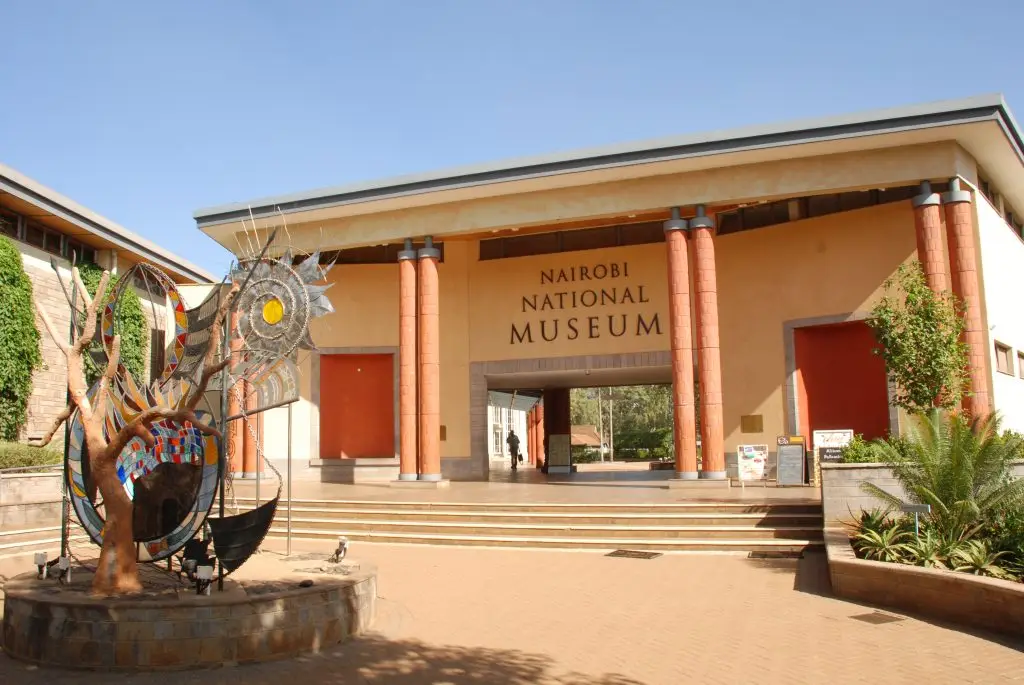
Explore museums that preserve the region’s history, archaeology, art, culture, and stories of human origins.
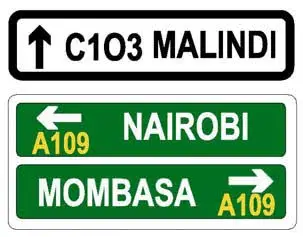
From vast savannahs to volcanic craters and tropical beaches, every destination offers a completely different experience.