
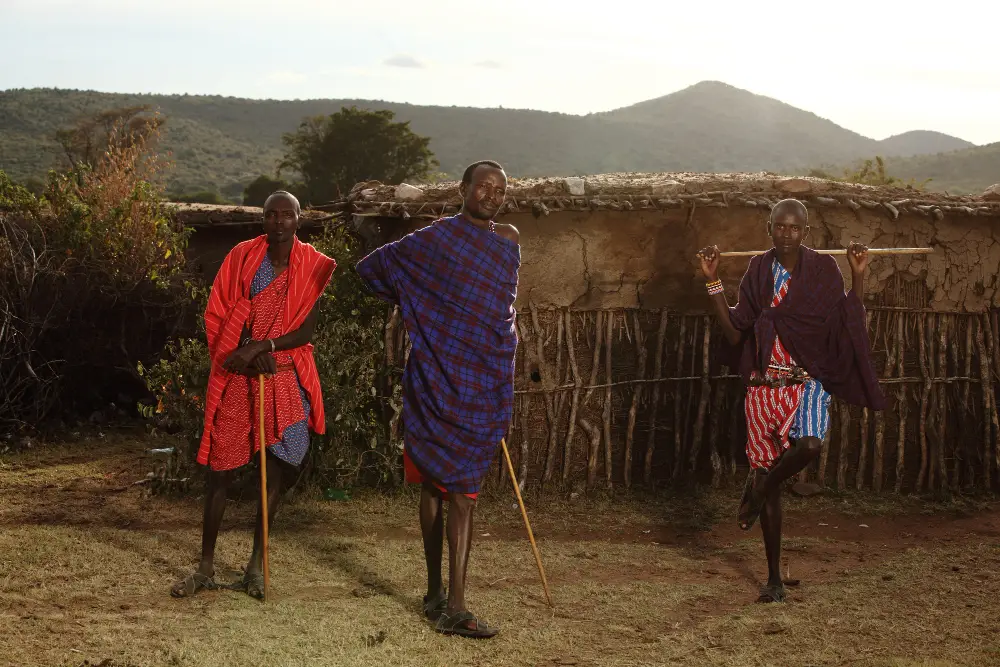
Meet the people who bring East Africa to life through their traditions, stories, crafts, and everyday way of living.

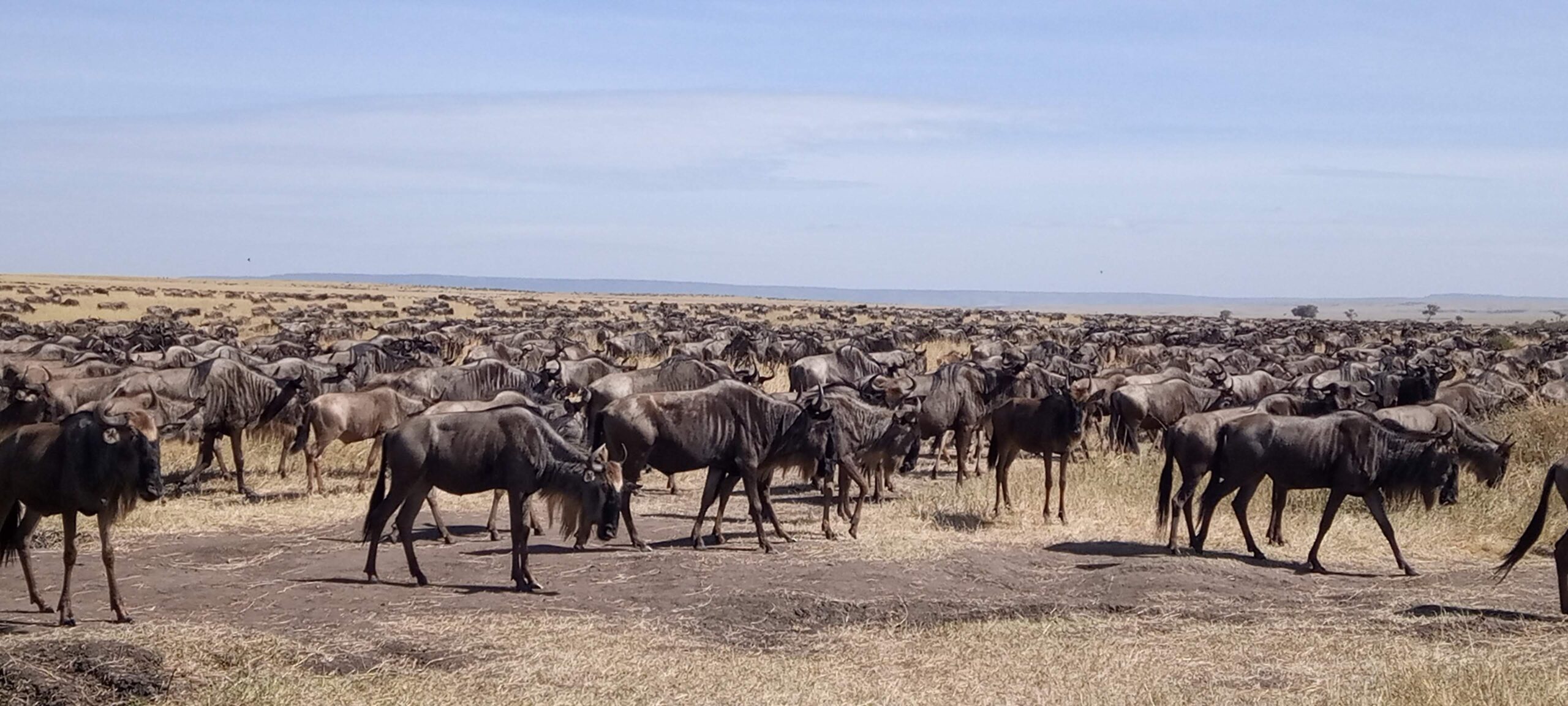
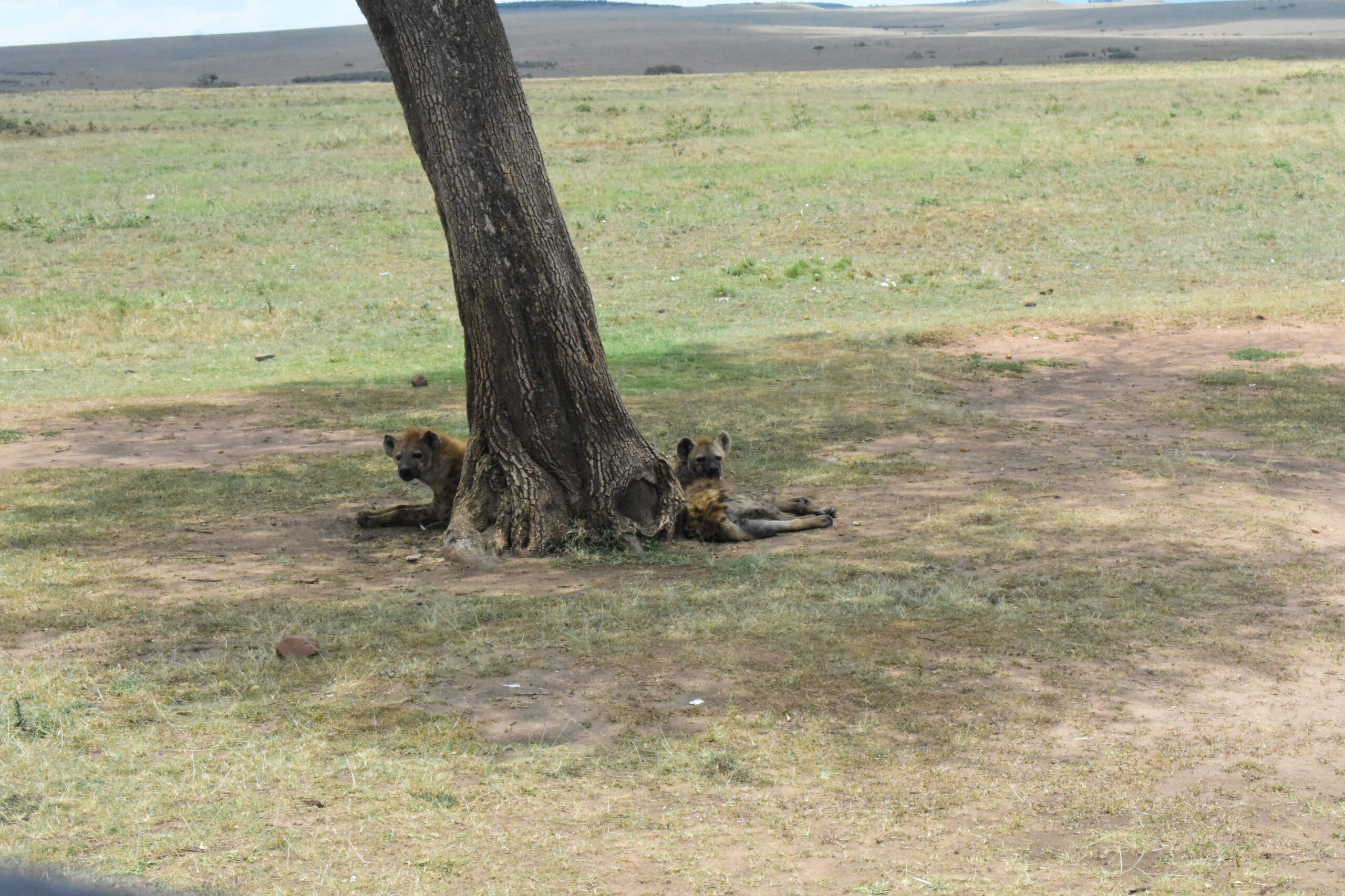
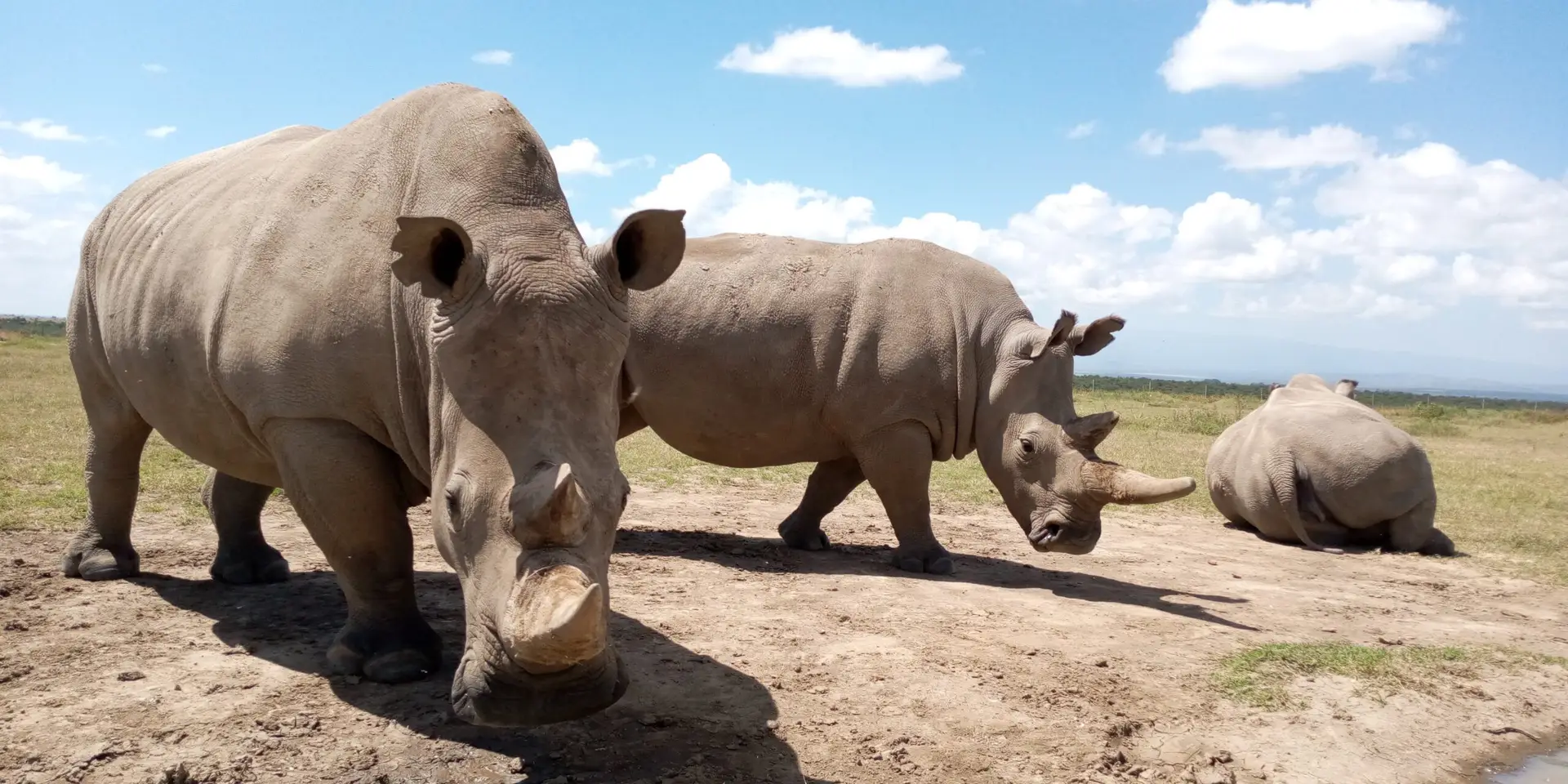
Discover extraordinary animals, from the Big Five to rare species found only in East Africa’s unique ecosystems.
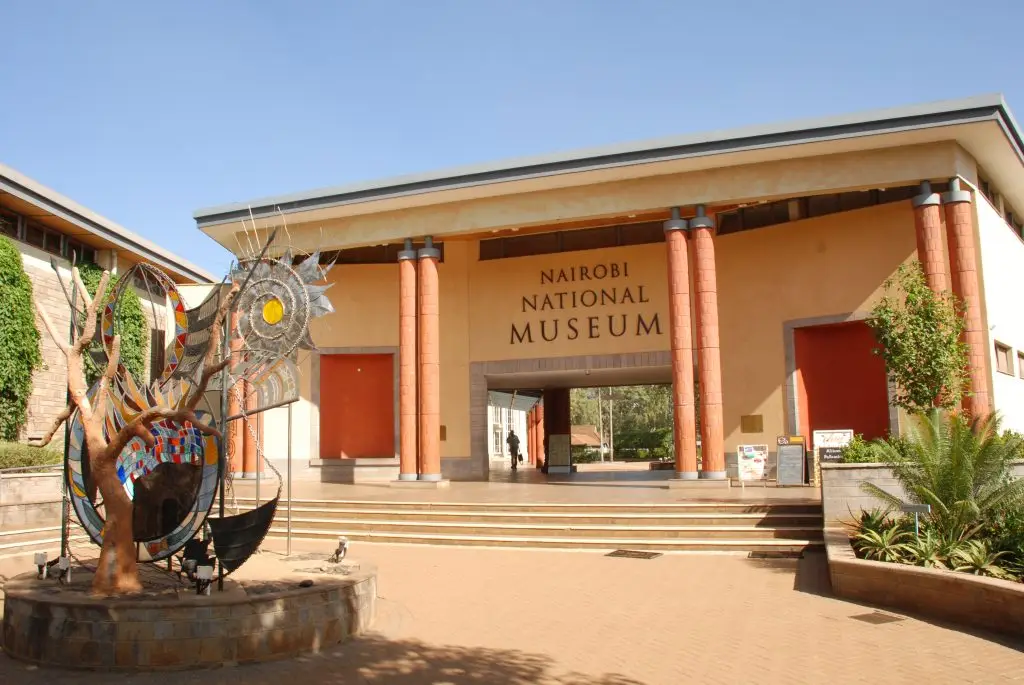
Explore museums that preserve the region’s history, archaeology, art, culture, and stories of human origins.

From vast savannahs to volcanic craters and tropical beaches, every destination offers a completely different experience.
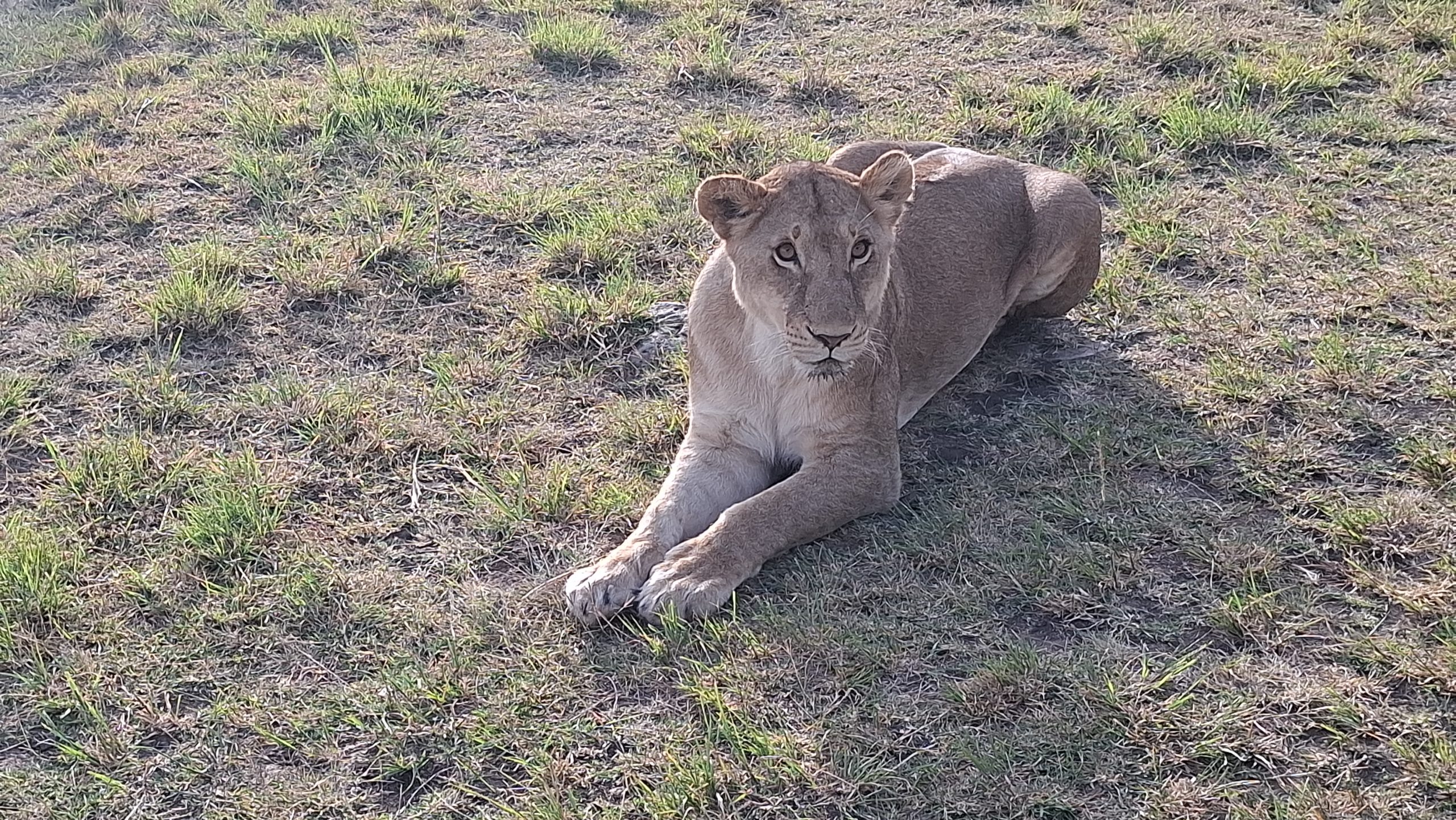
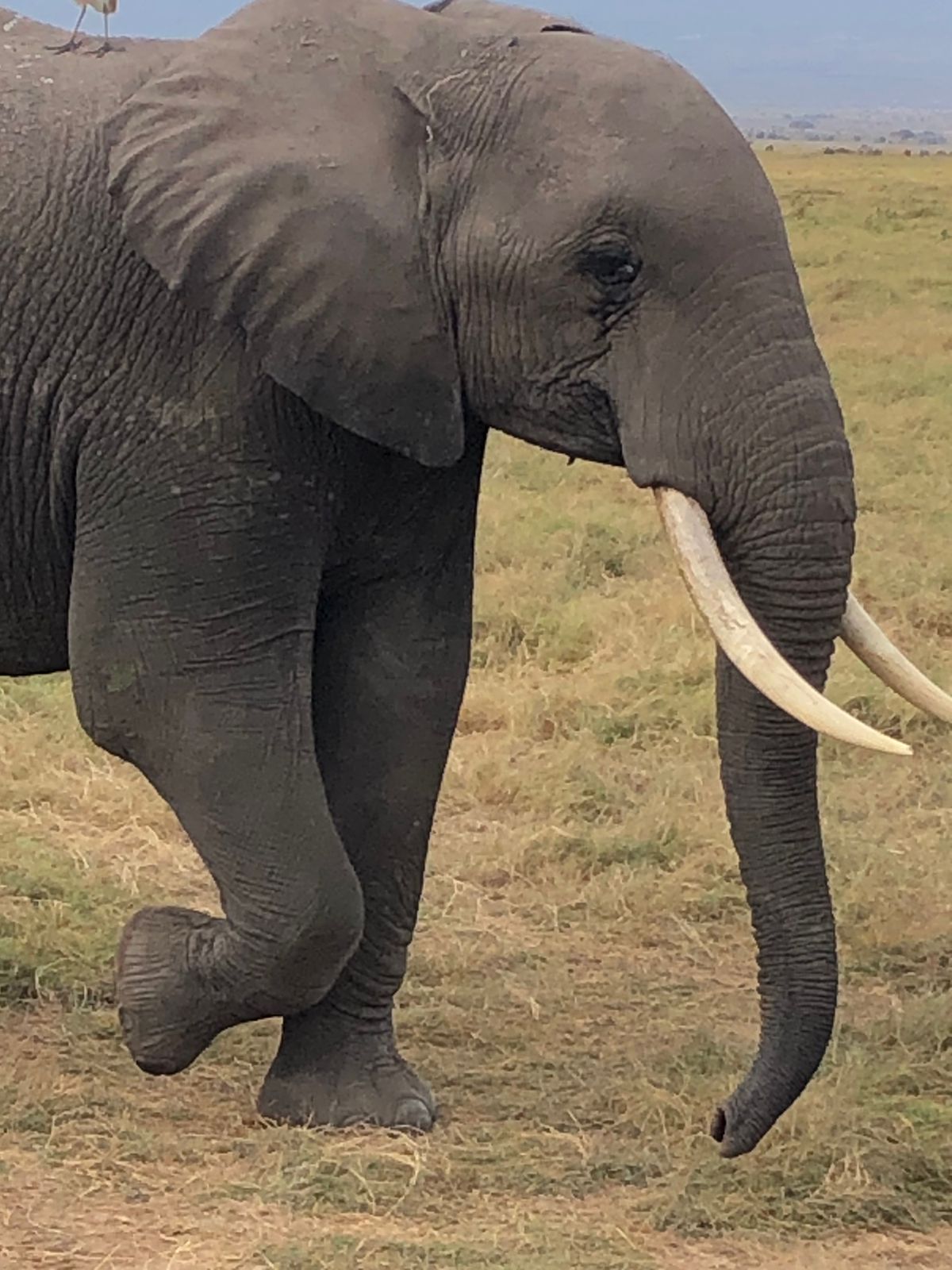
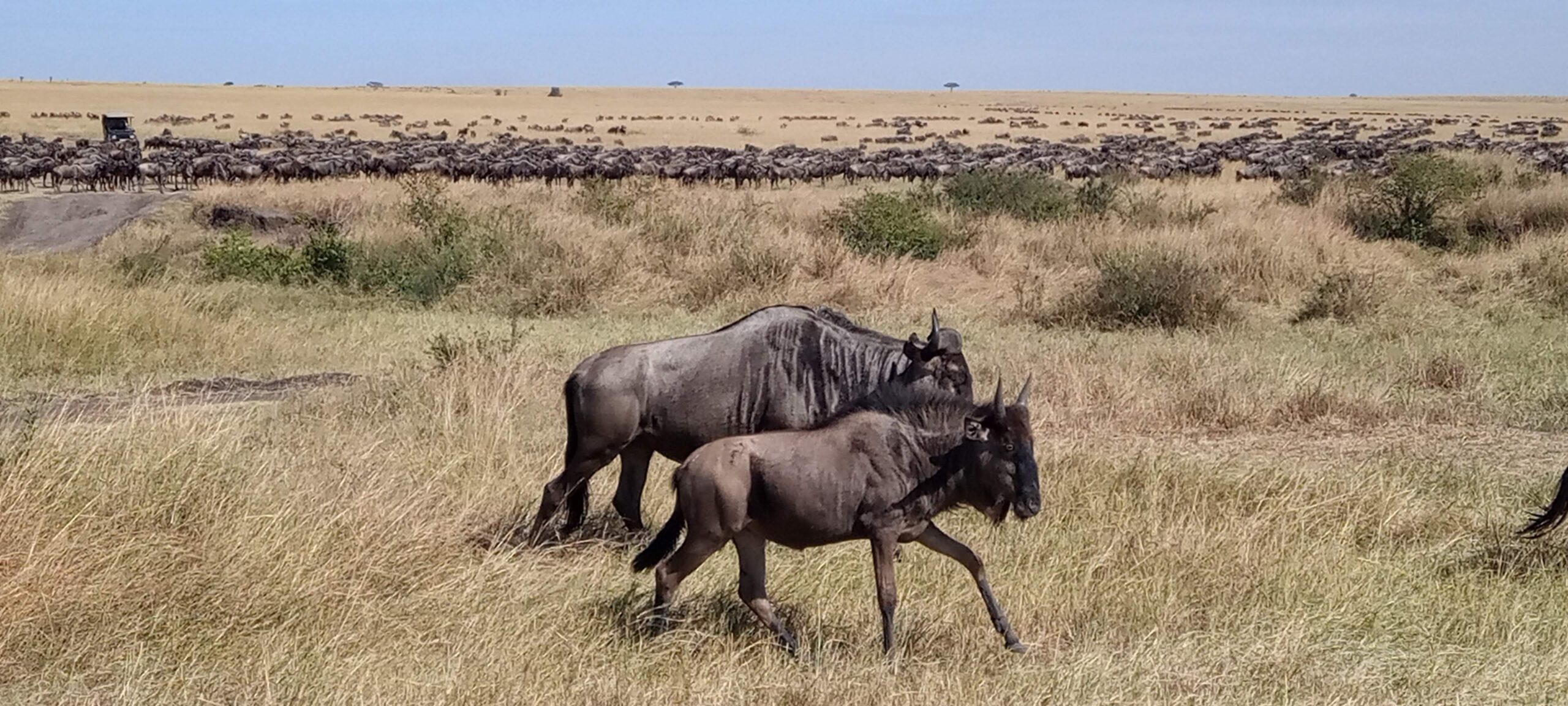
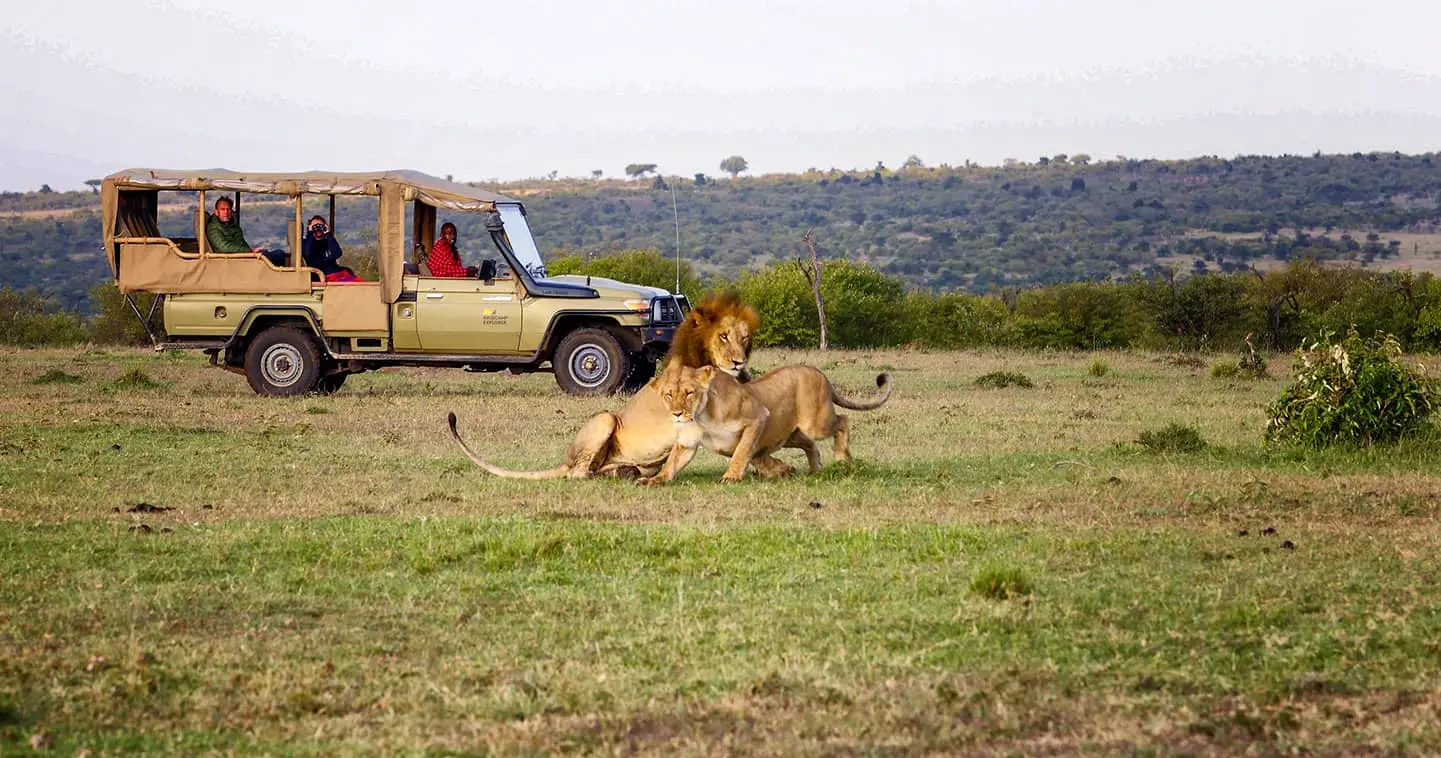
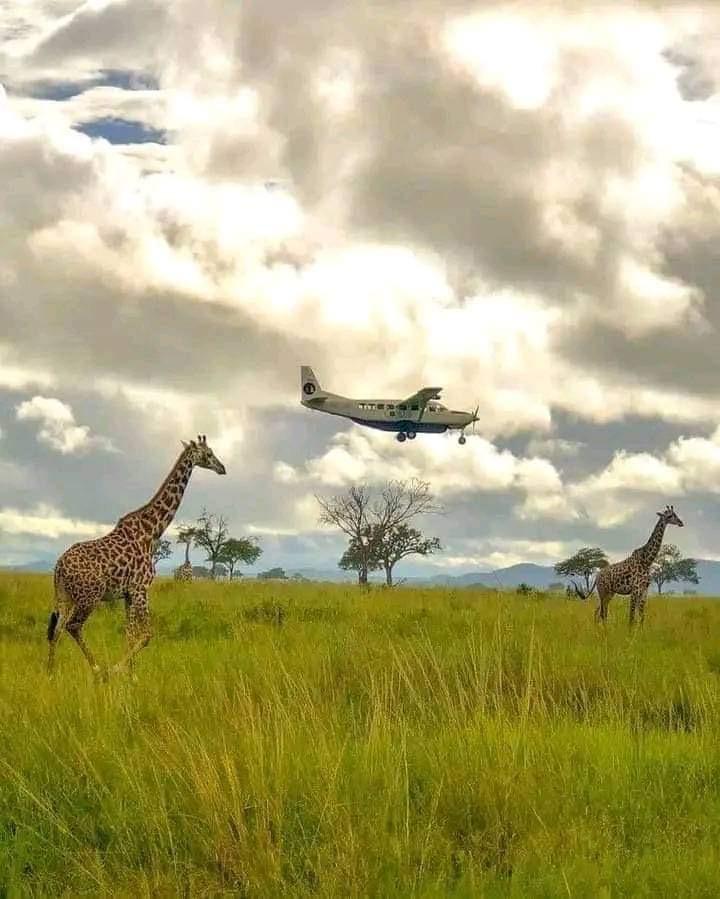
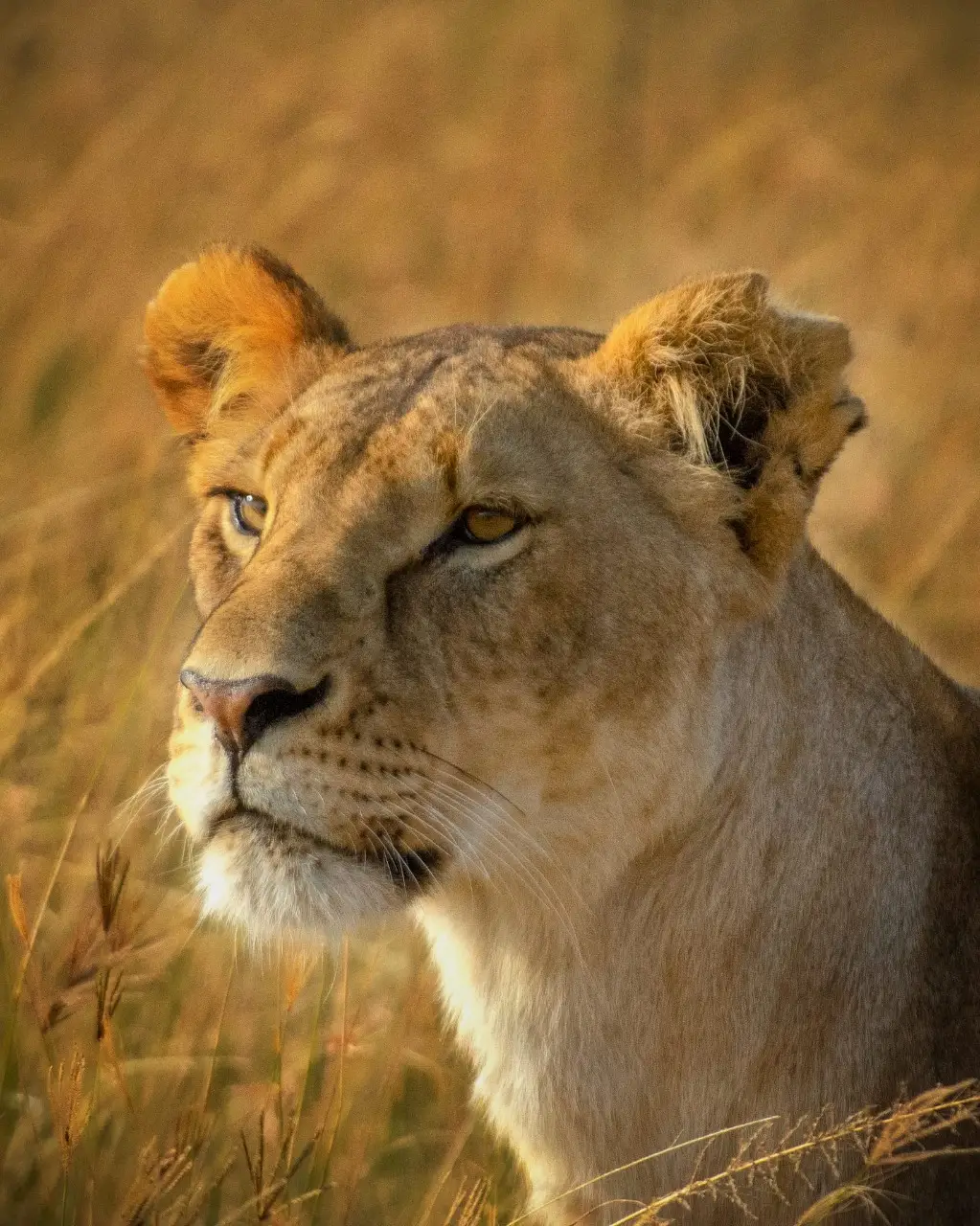
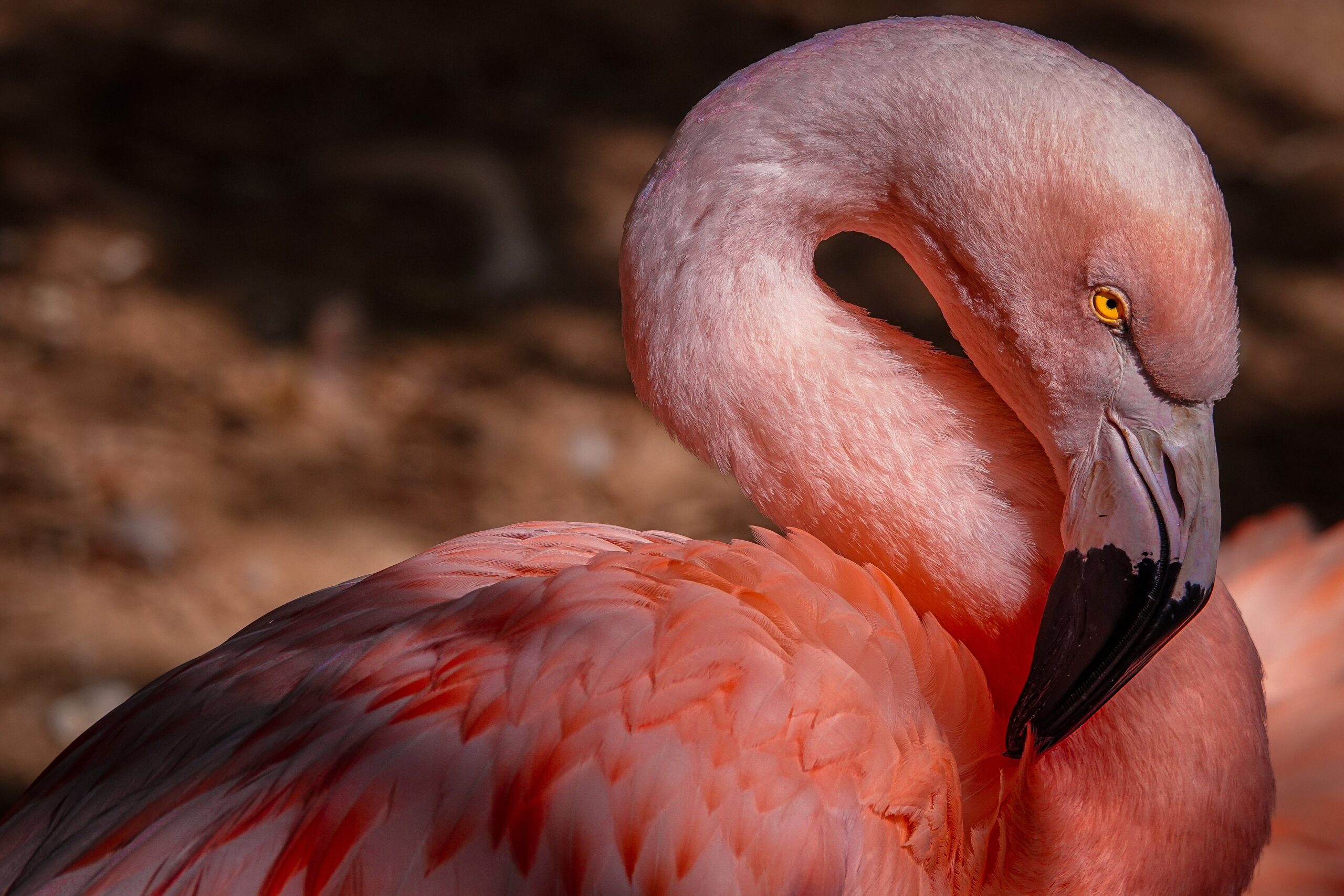

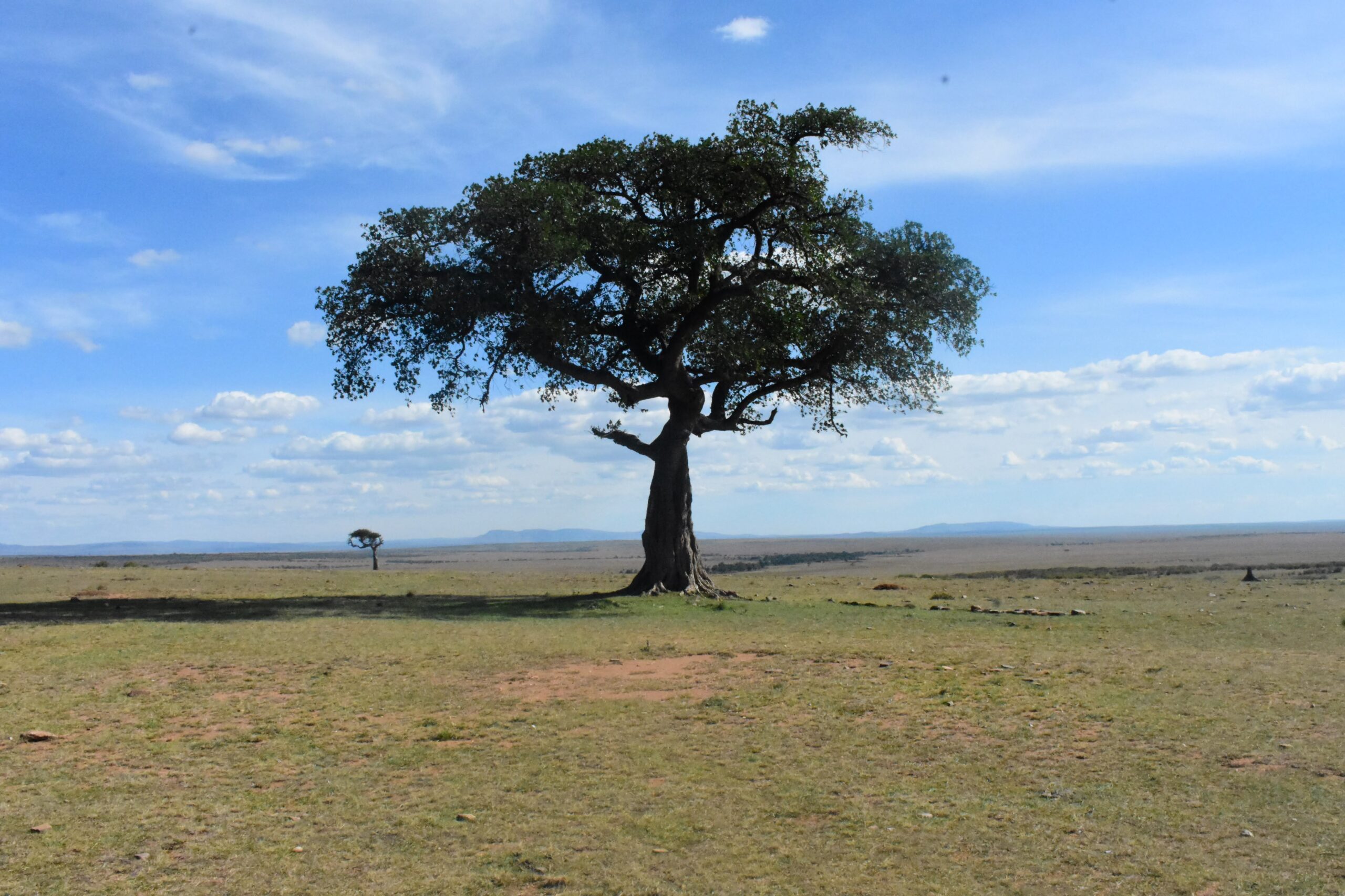
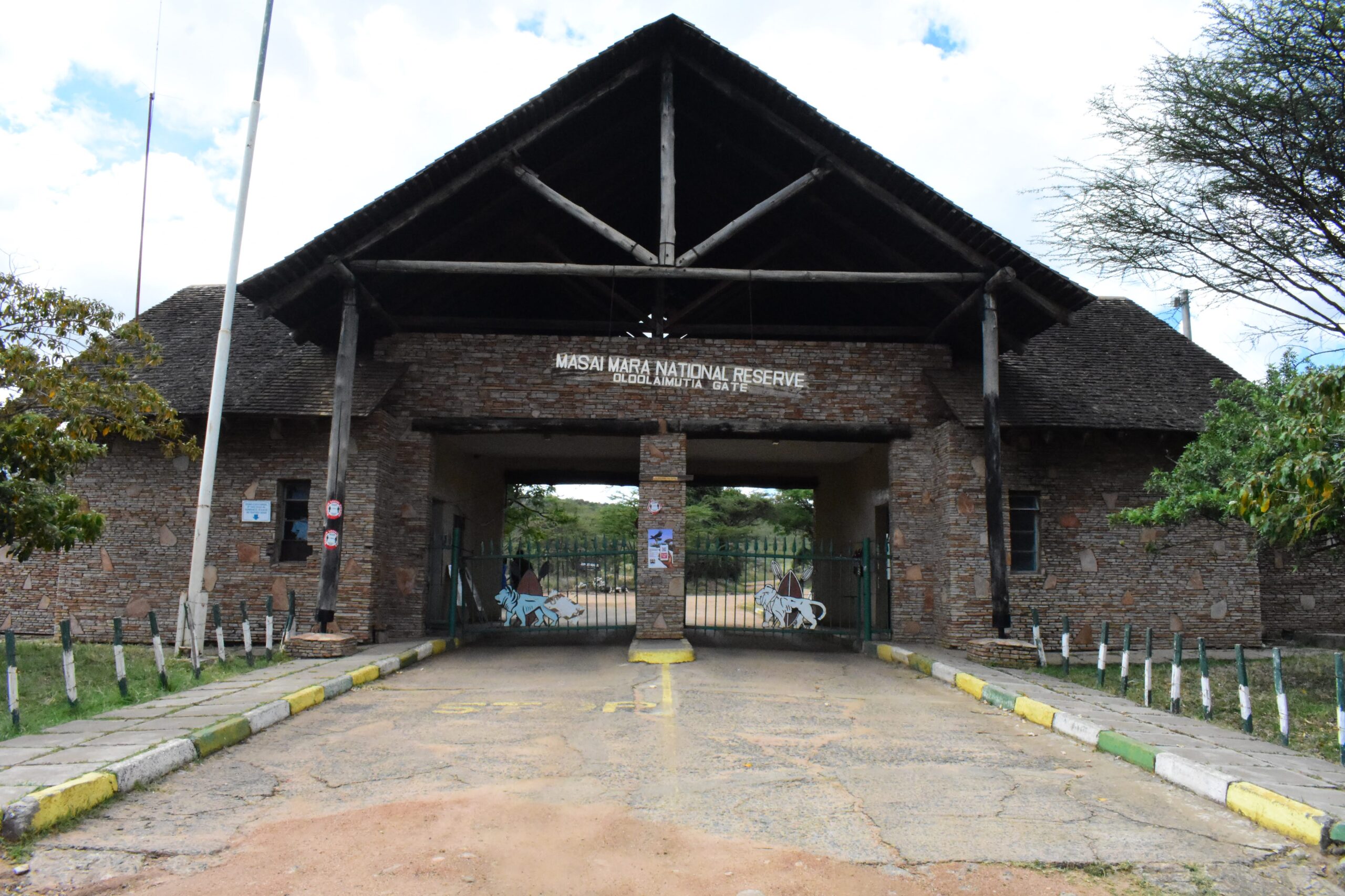
Discover Kenya’s iconic wildlife, diverse landscapes, and rich cultures. From the plains of the Masai Mara to Amboseli’s elephant herds and the beaches of the Indian Ocean, Kenya offers unforgettable safari experiences.

The Serengeti is famous for its endless plains, abundant wildlife, and the spectacular Great Migration. It offers outstanding game viewing throughout the year, including lions, elephants, cheetahs, and vast herds of wildebeest.

Tanzania combines exceptional wildlife viewing with dramatic scenery and tropical beaches. Explore the Serengeti, Ngorongoro Crater, Mount Kilimanjaro, and Zanzibar on one remarkable East African journey.
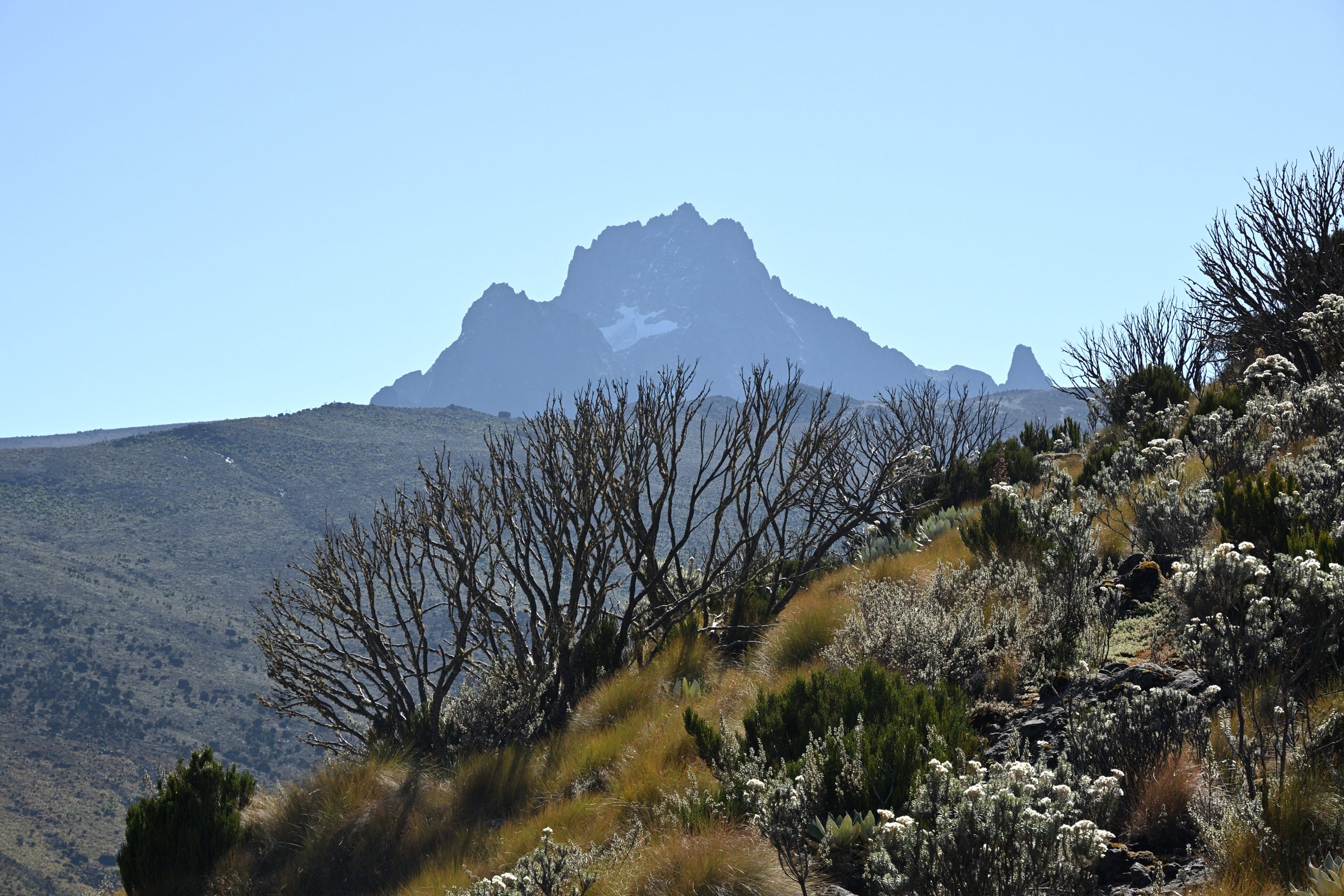
Mount Kenya is Africa’s second-highest mountain and a UNESCO-listed natural treasure known for its dramatic peaks, alpine forests, and diverse wildlife. Visitors enjoy scenic hikes, mountain climbing, birdwatching, and exploring the beautiful landscapes of Mount Kenya National Park.
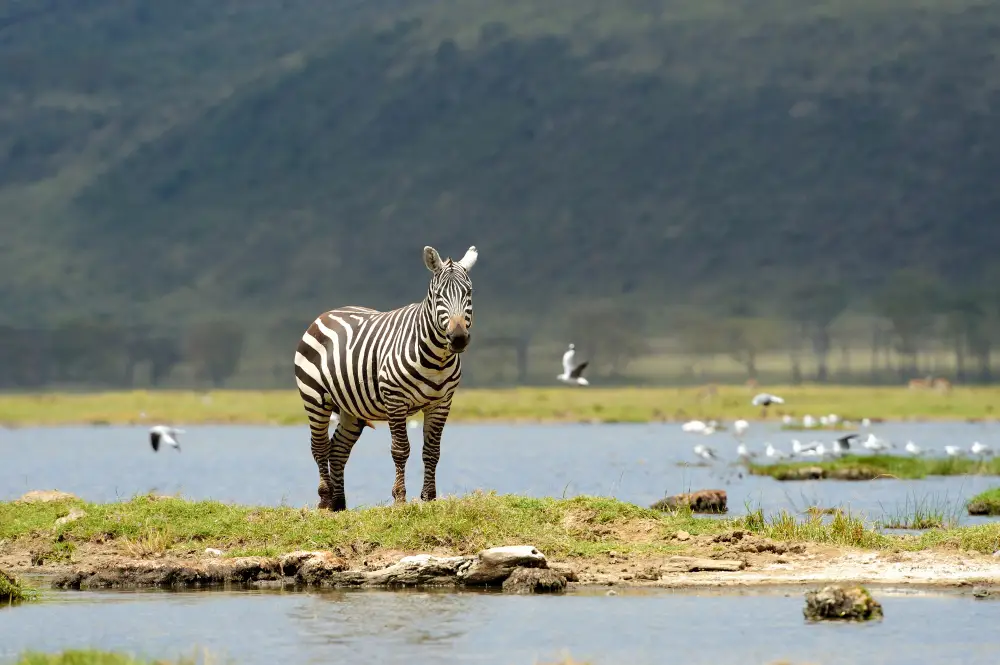
Ngorongoro is home to one of Africa’s most remarkable natural wonders. The vast volcanic crater supports an extraordinary concentration of wildlife, including lions, rhinos, elephants, buffaloes, and flamingos.
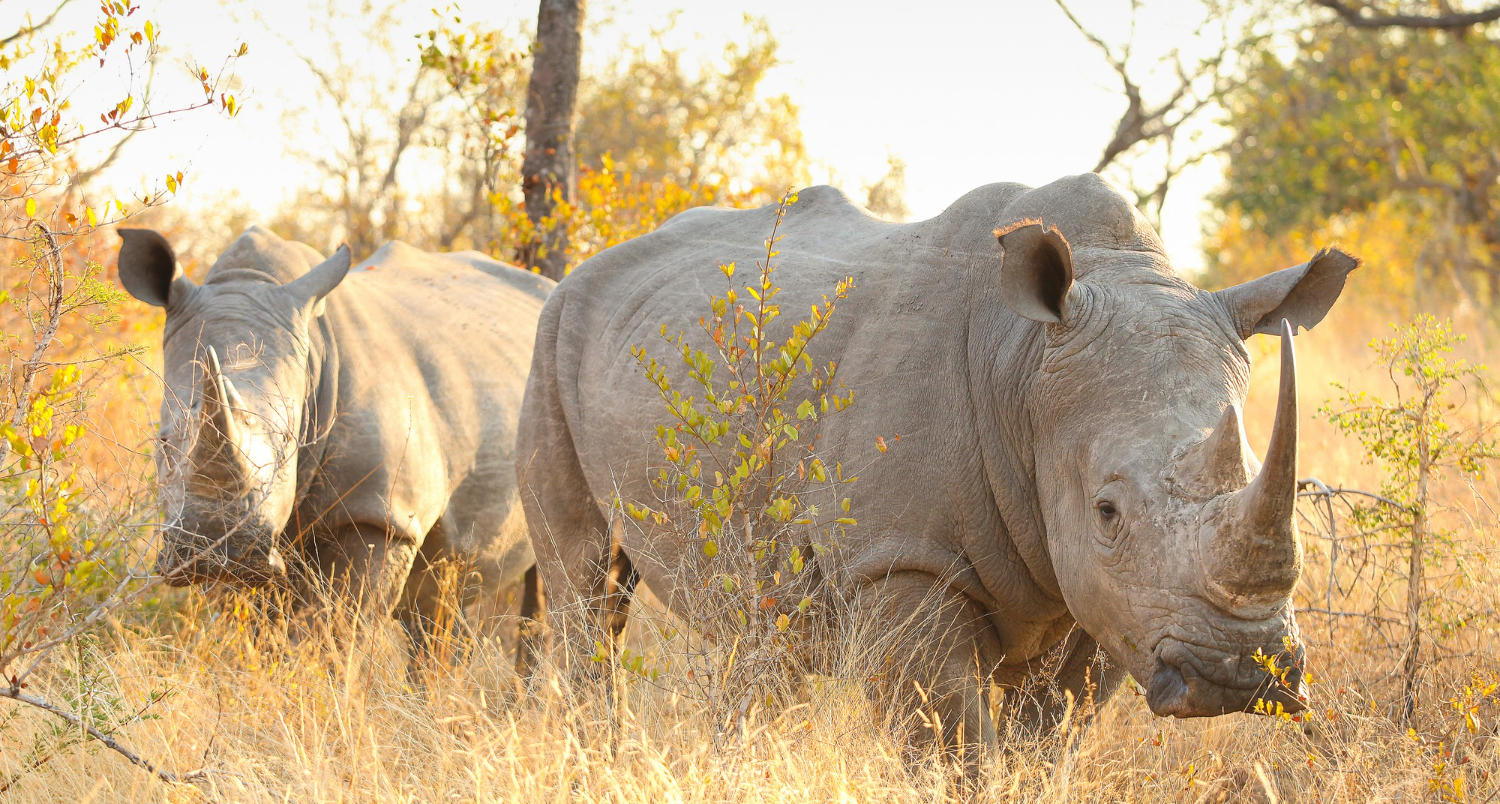
Ol Pejeta Conservancy is a renowned wildlife sanctuary in Laikipia, famous for protecting endangered species including rhinos and chimpanzees. Visitors enjoy close-up wildlife encounters, game drives, and conservation experiences in one of Kenya’s leading private conservancies.
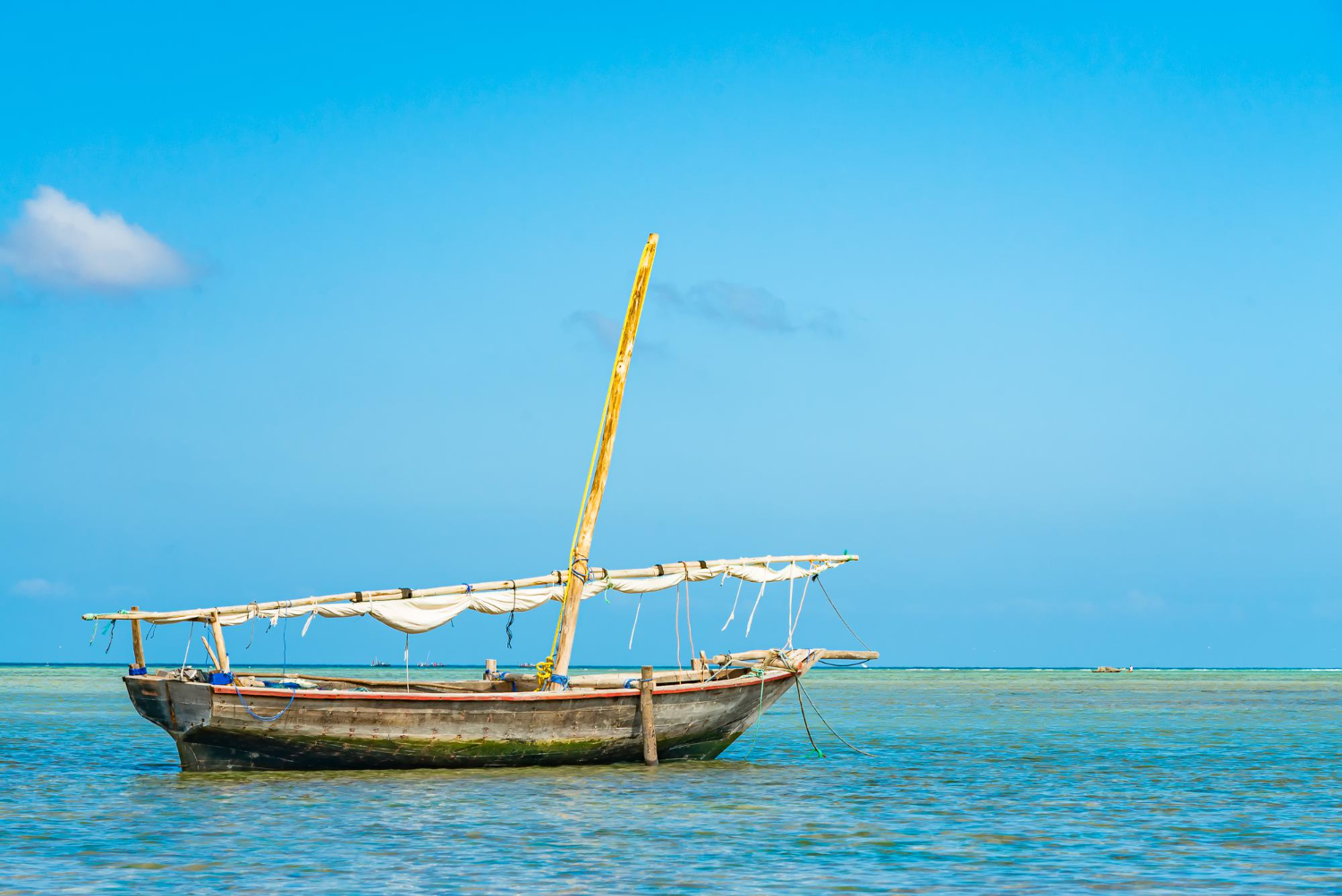
A tropical island paradise in the Indian Ocean, famous for its white-sand beaches, turquoise waters, and rich Swahili culture. Tourists explore the historic streets of Stone Town, enjoy snorkeling and diving, or relax on pristine beaches surrounded by palm trees.
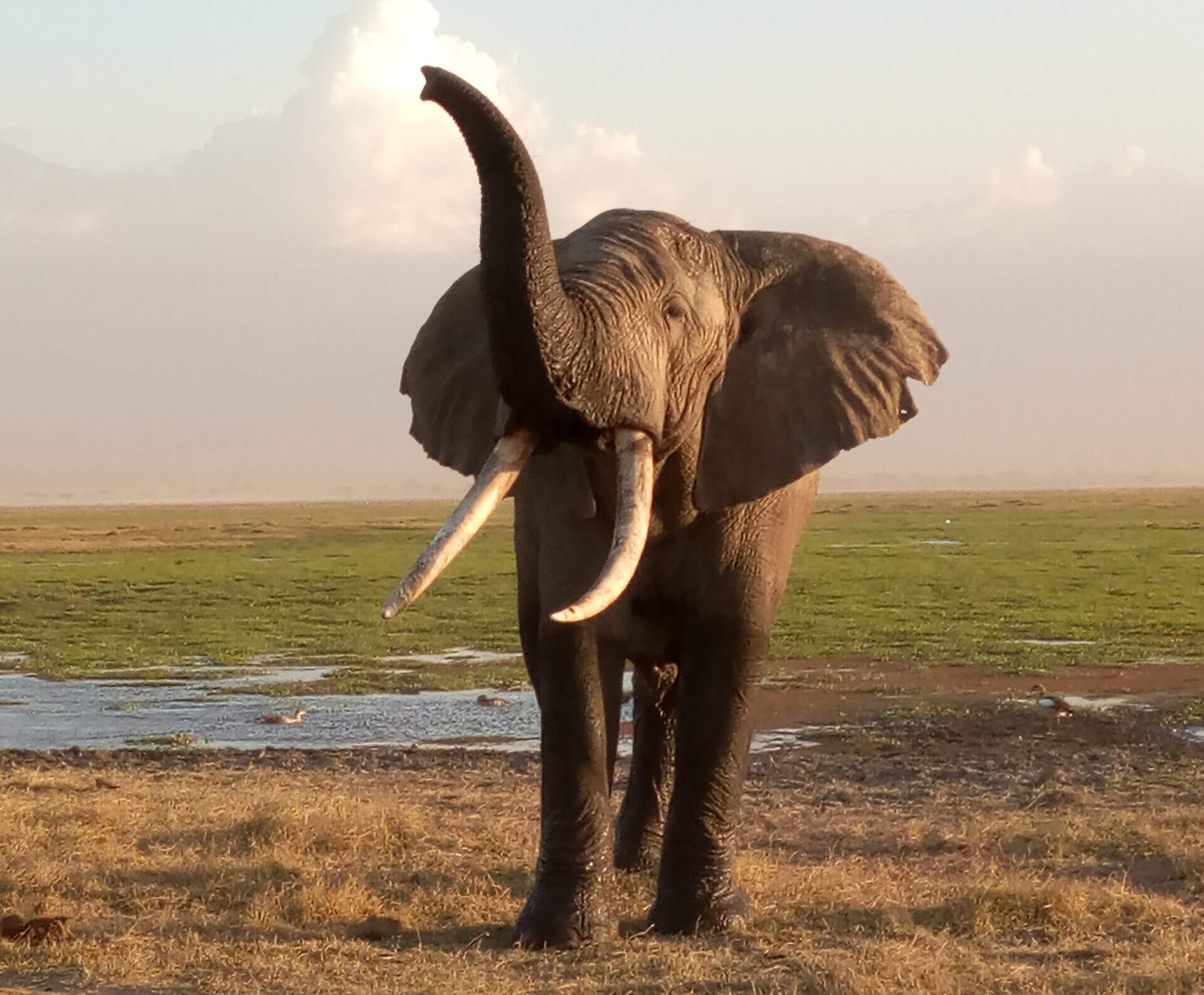
Amboseli National Park offers spectacular views of Mount Kilimanjaro and large herds of free-roaming elephants. The park’s open plains, wetlands, and diverse wildlife make it one of Kenya’s most scenic safari destinations.
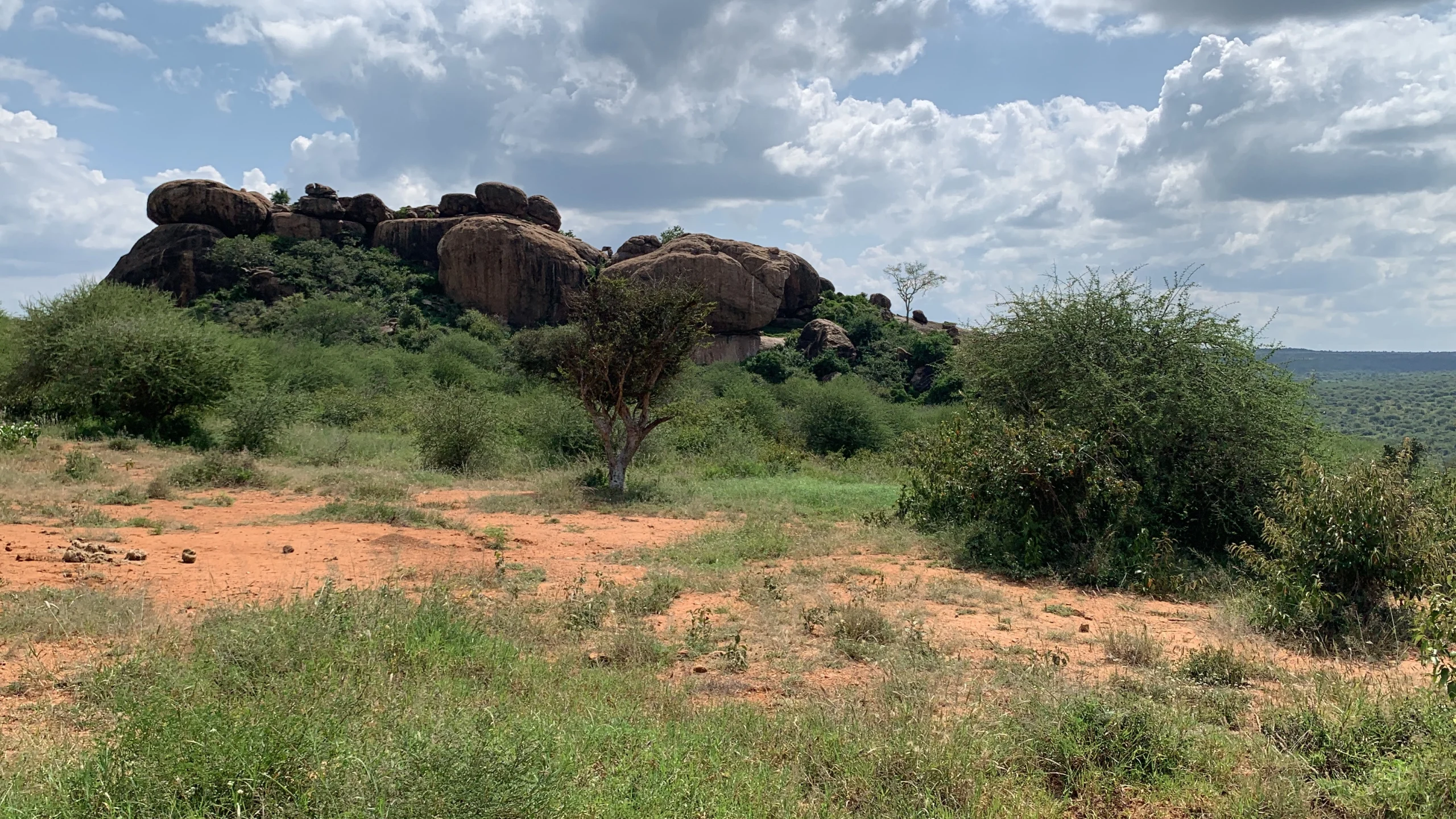

Mombasa is Kenya’s historic coastal city, blending Swahili culture, pristine beaches, and centuries-old landmarks. Visitors enjoy white-sand beaches, vibrant markets, marine parks, and the famous Fort Jesus.
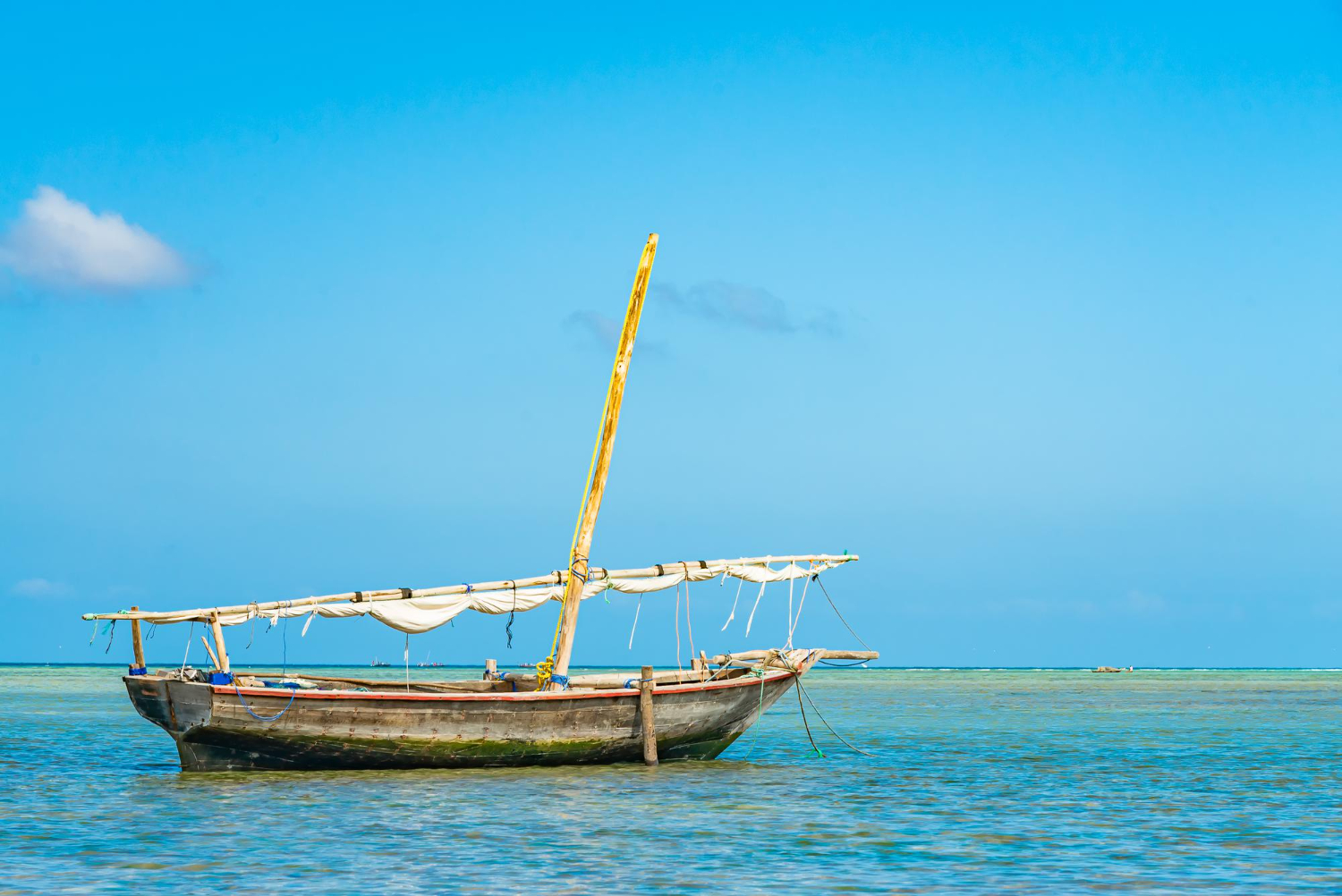
Kenya’s North Coast stretches from Nyali to Watamu and Malindi, offering beautiful beaches, coral reefs, and vibrant coastal culture. It is perfect for beach holidays, snorkeling, diving, and exploring Swahili history.

Kenya’s South Coast is known for its breathtaking beaches such as Diani, Tiwi, and Msambweni. The region offers crystal-clear waters, palm-lined shores, luxury resorts, and excellent water sports.
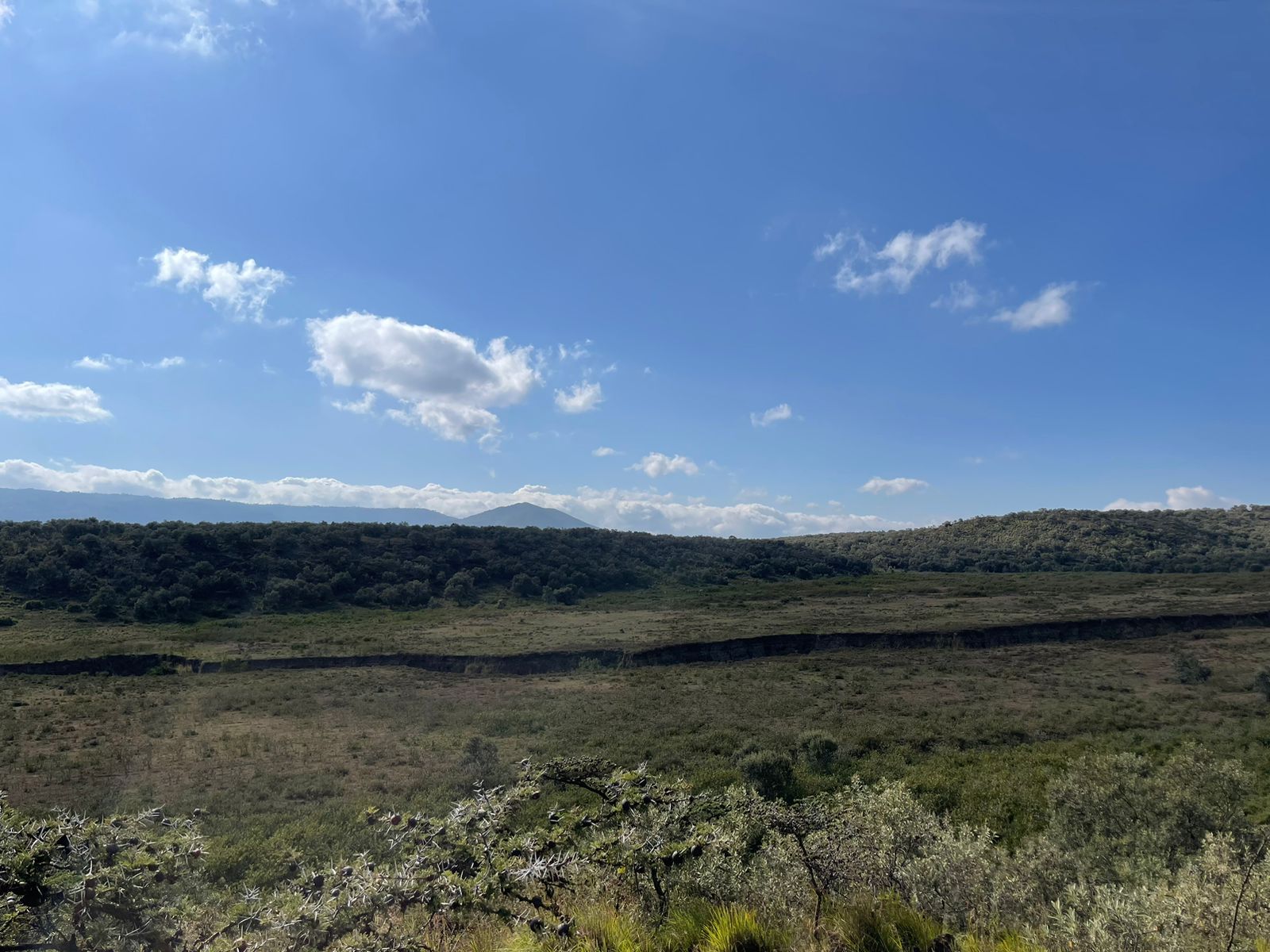
Lake Nakuru National Park is famous for its flamingos, rhino sanctuary, and diverse birdlife. The park’s scenic lake, acacia forests, and waterfalls make it a popular safari destination in Kenya’s Rift Valley.
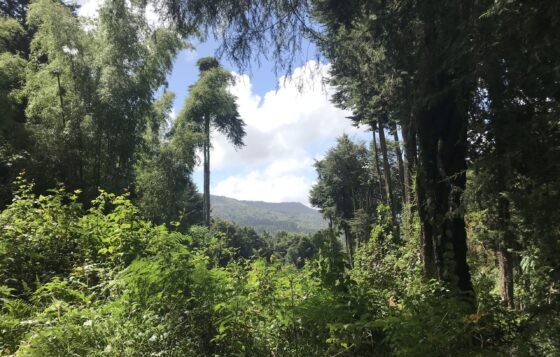
The Aberdare Range is a lush mountain region known for dense forests, waterfalls, and unique wildlife. Visitors can enjoy cool highland scenery, hiking, and wildlife viewing from famous tree lodges.
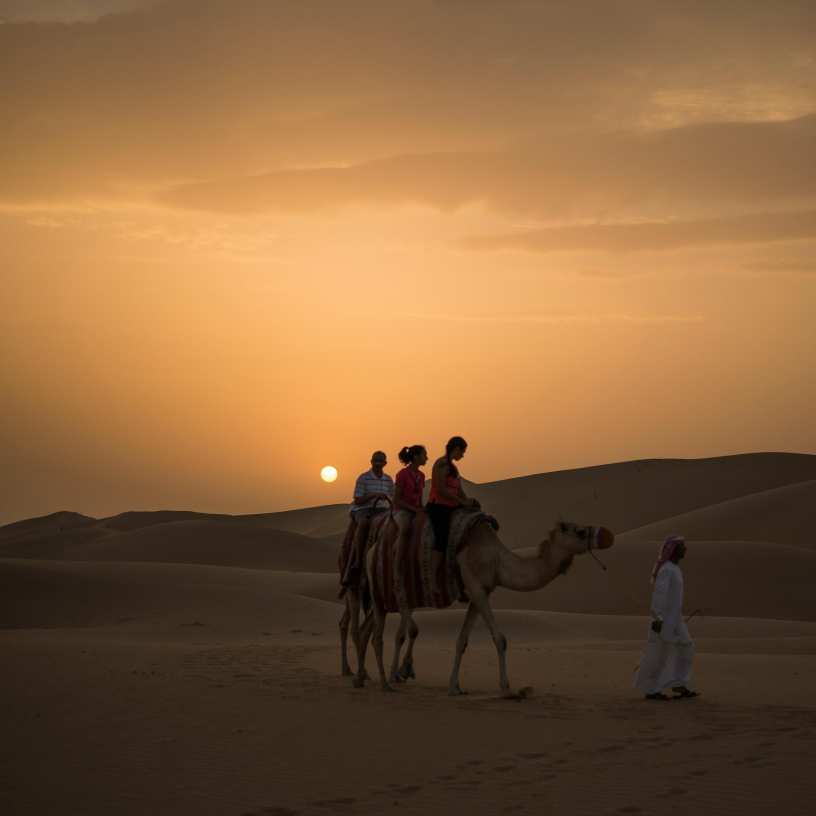
The Chalbi Desert is Kenya’s only true desert, located in the remote northern frontier near Marsabit. Its vast salt flats and dramatic landscapes offer a unique adventure experience far from typical safari routes.
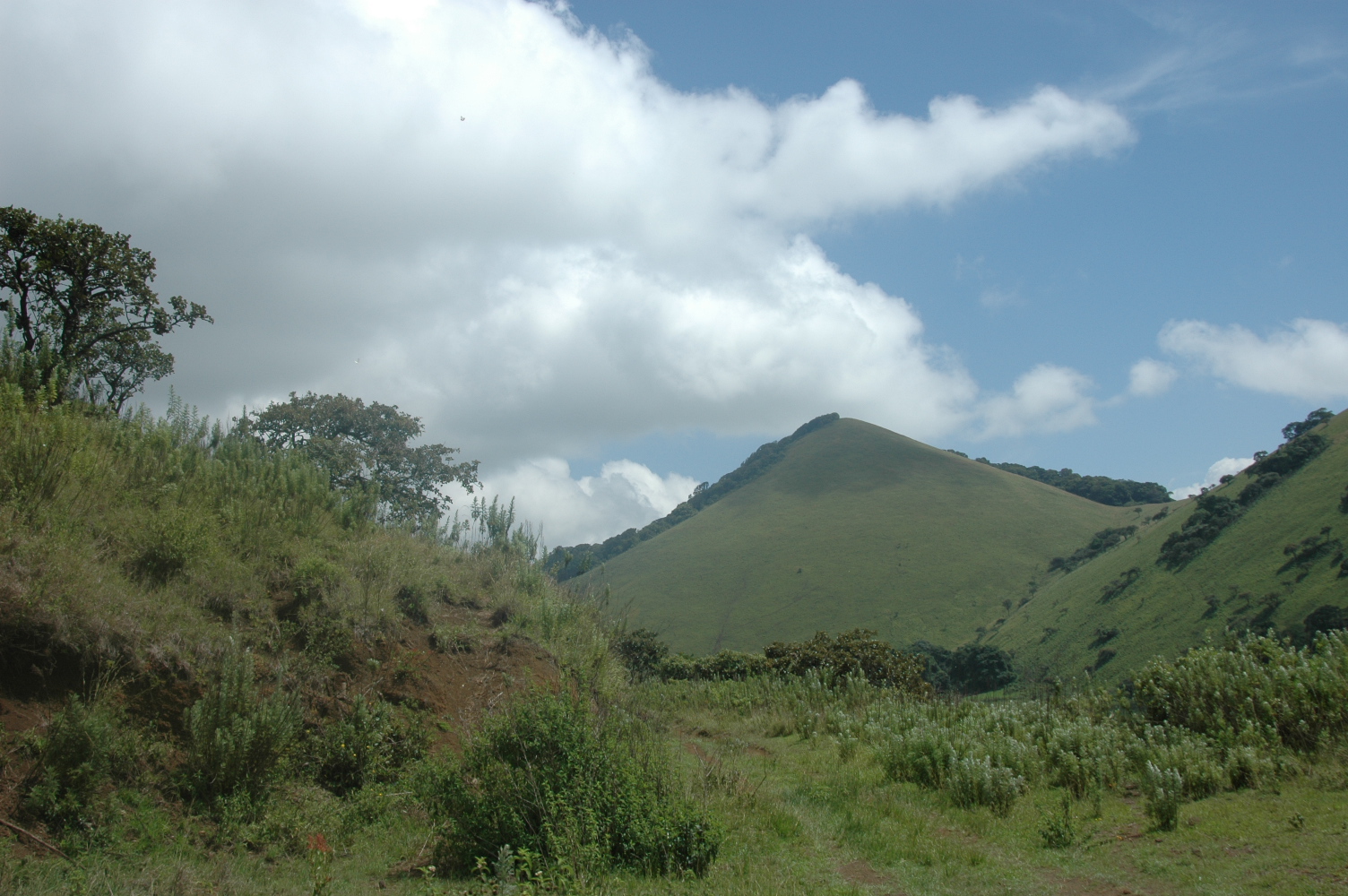
A land of stunning natural wonders, volcanic lanscapes, and breathtaking glaciers.
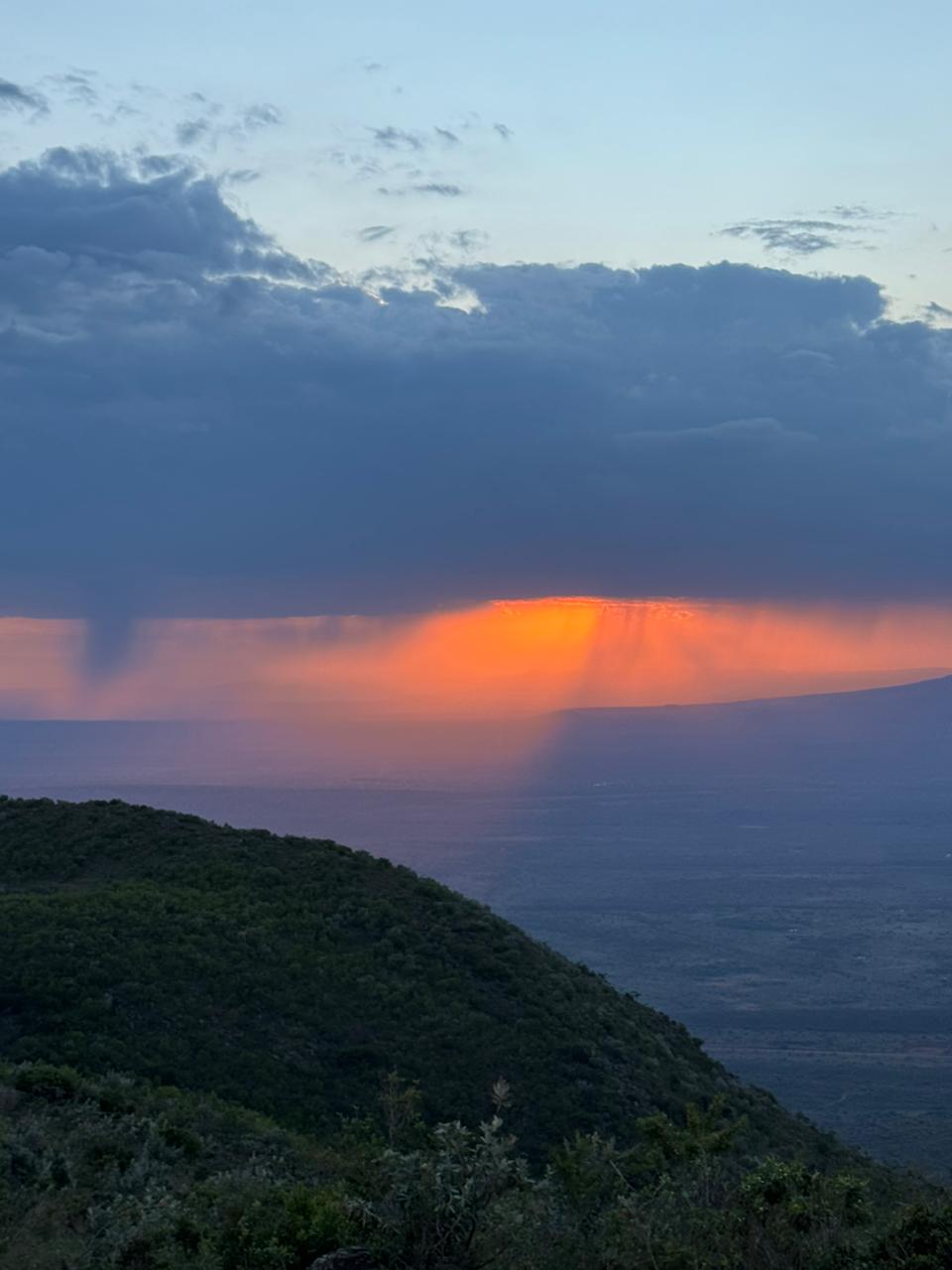
Tsavo National Park, divided into Tsavo East and Tsavo West, is one of the largest wildlife parks in the world. It is famous for its red elephants, dramatic landscapes, lava flows, and diverse wildlife.
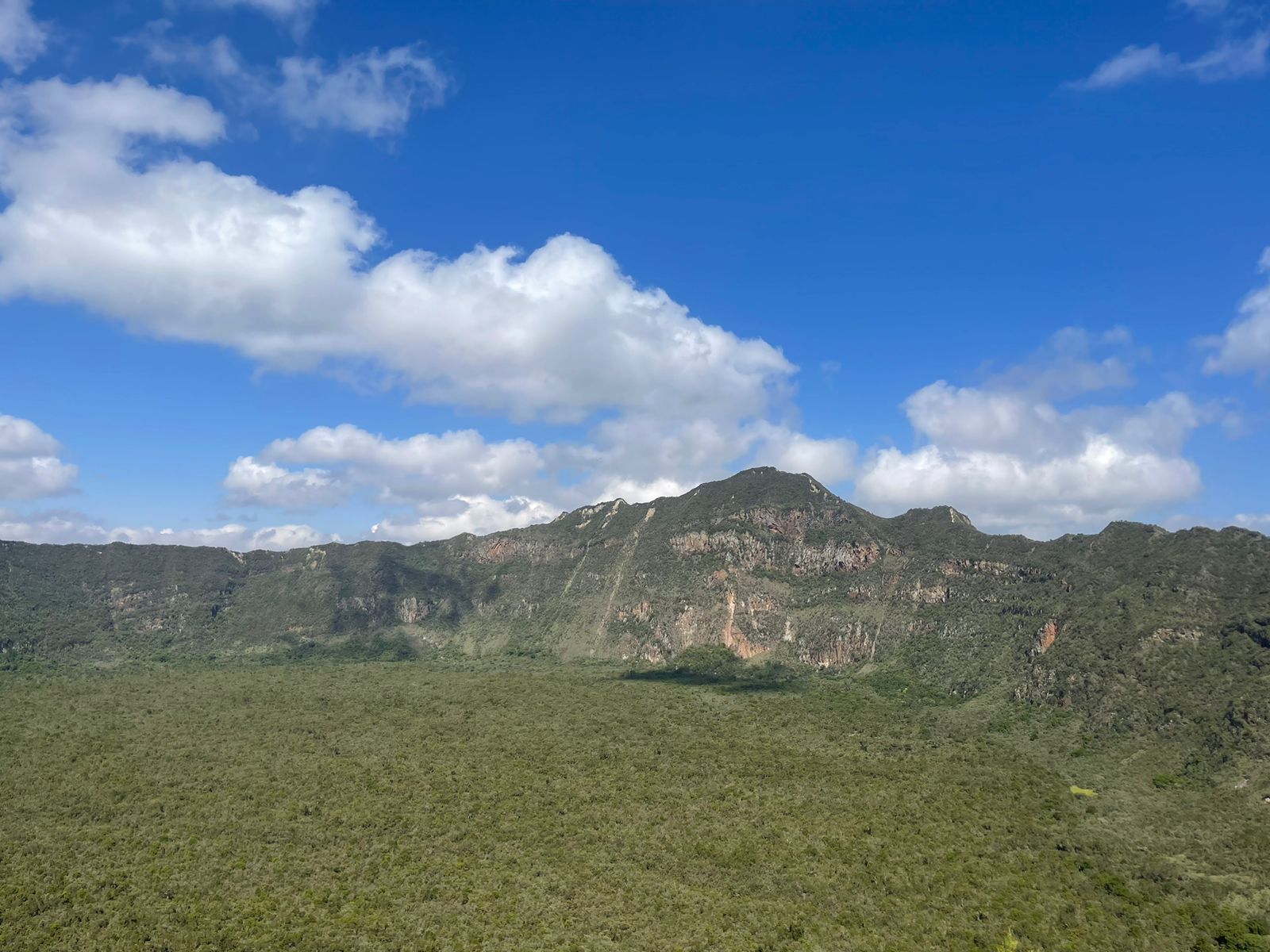
Lake Naivasha is a beautiful freshwater lake in the Great Rift Valley surrounded by wildlife and scenic landscapes. Visitors enjoy boat safaris, birdwatching, and nearby attractions like Hell’s Gate National Park, and Mt. Longonot National Park.

Nairobi, Kenya’s vibrant capital, is the gateway to East African safaris. The city uniquely combines modern urban life with wildlife experiences such as Nairobi National Park, the Giraffe Centre, and the David Sheldrick Elephant Orphanage.